Ever wondered if a few smart moves could turn a little money into a fortune? Warren Buffett looks for good stocks by thinking long term, kind of like a treasure hunt. He doesn't risk quick bets; he picks companies with strong, trusted roots. In this blog, we'll take a closer look at how his steady ways beat the latest market trends and why his methods still work today. Get ready to see investing in a whole new light.
Buffett’s Blueprint: A Comprehensive Overview of His Investment Approach
Warren Buffett sticks to a disciplined value investing method. He hunts for stocks that are priced lower than what they're truly worth, and he figures this out by really digging into the company's numbers (a careful look at its financial health). For example, you might hear him say, "Check the balance sheet and snag undervalued stocks." It's interesting to note that many big companies started off as overlooked picks with solid basics. This strategy is all about finding hidden gems, not just following the latest market fads.
Buffett also avoids making quick guesses based on short-term market moves. Instead, he invests in areas he really understands and picks companies that have a clear and lasting advantage over their rivals. He calls this special quality an economic moat (a unique trait that helps protect a company from competition). Plus, he usually dedicates only 5% to 10% of his total funds to each main holding. Doing so means every investment is carefully chosen and meaningful.
At the heart of his approach is a long-term hold strategy geared toward steady, compounded growth rather than quick wins. This patient way of investing helps keep the ups and downs of the market at bay. By building a focused portfolio based on strong financial foundations and reliable management teams, Buffett shows us that investing shouldn’t be about chasing trends. It’s really about creating a trustworthy portfolio designed to perform over many years.
Buffett's Value Investing Philosophy and Key Principles
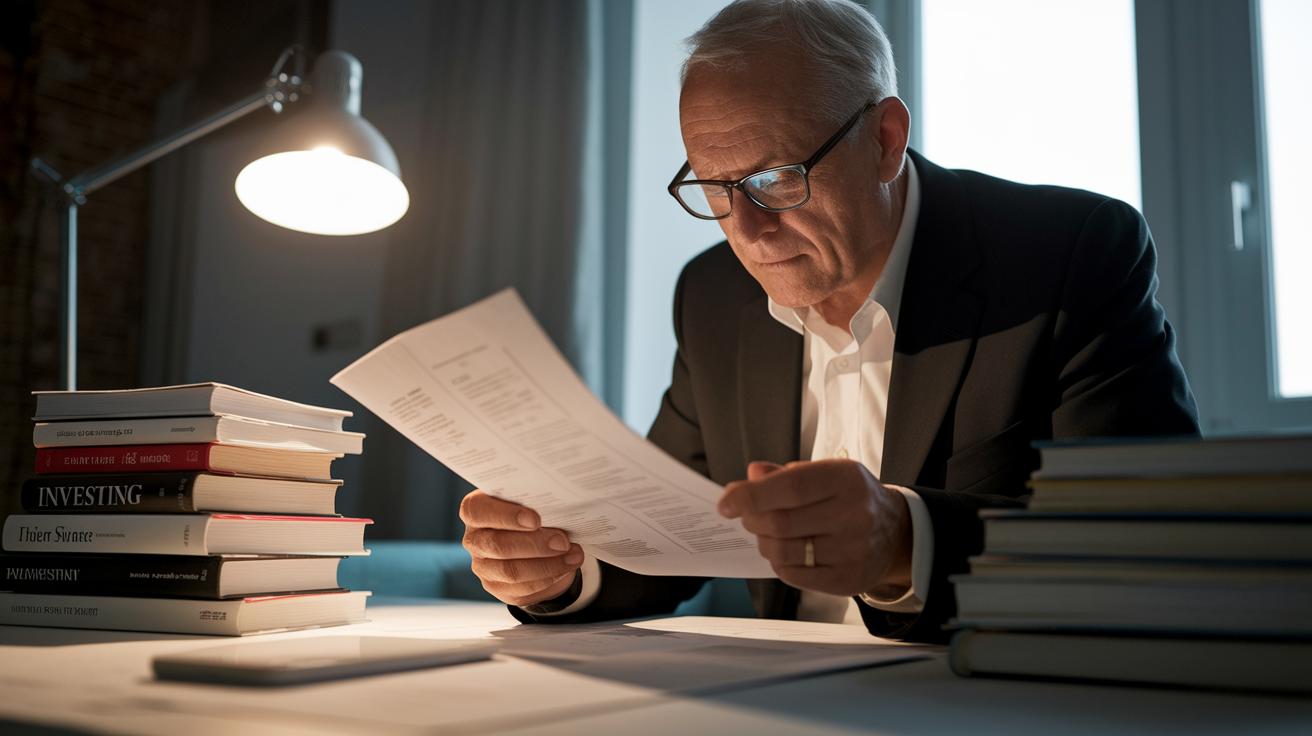
Buffett’s approach started with the lessons of early value investors. He learned to search for companies priced well below their real worth, a bit like stumbling on a secret map that points to treasure. Early on, he used these lessons with strict care, always making sure a stock’s price left room to handle sudden market changes (a margin of safety is essentially a cushion for any surprises).
When you dig into his track record, clear examples pop up that explain why he’s so respected. For instance, in the 1980s he invested in a popular consumer company that kept beating market trends. That move shows his belief in holding on long-term, trusting an economic moat (a protective edge that keeps competitors at bay) and solid finances to do the heavy lifting. Basically, he always says, invest in what you understand and let the benefits build over time.
Unlike many modern strategies that focus only on charts or quick trends, Buffett mixes deep number-crunching with real-life stories. He carefully checks both the numbers and the people behind the company by examining details like a company’s management strength and market position. Imagine a business where you not only see healthy profit margins but also a strong brand and a loyal team, the combined picture often speaks louder than any single statistic.
Long-Term Market Outlook & Portfolio Construction in Buffett’s Investments
Buffett believes in planning for the long haul. Instead of chasing quick gains, he sticks to a steady, patient plan. He picks just five or six main investments that really shine and backs them up with a few smaller ones to spread the risk. Think of it like building a sturdy bridge that helps you get through rainy days and bright days alike. Each investment is placed where it can handle time and pressure.
| Strategy Component | Description |
|---|---|
| Concentrated Core Holdings | Putting faith in a few key picks for steady growth. |
| Diversification in Key Sectors | Adding smaller investments to balance out the risk. |
| Long-Term Holding | Keeping investments over many years to benefit from slow and steady gains. |
| Risk Mitigation Measures | Using steps that protect the portfolio during tough market times. |
Buffett lets his long-term view guide every choice. Even when the market gets bumpy, his careful plan helps his investments grow over time. He trusts that sticking with well-chosen stocks, along with a little variety, keeps your money safe and growing slowly. His mix of focused picks and smart risk spreading is all about avoiding short-lived trends while making the most of steady market comebacks.
Risk Management and Savvy Stock Selection in Buffett’s Investment Techniques

Buffett looks at the numbers while keeping an eye on a company's overall health to decide where to invest. He uses simple methods to check a company’s value and keeps a steady watch on the market. It's like testing the water before you dive in – a clear step that helps you avoid surprises.
In-Depth Risk Assessment
Buffett’s approach blends basic number checks (kind of like reading the room) with a close look at how a business operates every day. He uses smart tools to weigh potential gains against possible setbacks, making sure his choices fit both his long-term goals and practical needs. He even says, "Before investing, check the numbers – just like testing the water before a dip."
| Measure | Description |
|---|---|
| Quantitative Analysis | Looks at simple numbers to see how strong a company is. |
| Qualitative Review | Examines leadership and market position to get a real feel for the business. |
| Long-Term Focus | Stays focused on steady, lasting growth instead of quick trends. |
By mixing these methods, Buffett simplifies risk decisions. His approach joins hard number checks with a natural sense of a company's stability, helping build a portfolio that stays strong even when the market gets shaky.
Buffett's Investment Case Studies and Historical Performance Insights
Buffett sticks with a simple plan: buy good companies and hold onto them for a long time. One neat example from the late 80s shows how he turned a consumer goods firm into a winner by watching it grow nearly 300% over ten years, while most other stocks only grew about 150%. Have you ever seen how his smart choices can change the game? He picks companies with strong brands that can handle different market ups and downs.
Looking closer at his portfolio, you'll notice that he prefers companies that make steady, reliable money. This focus on solid cash flow has smoothed out his returns over time. In fact, stocks chosen this way often gave annual gains between 10% and 15% even when the economy struggled. During a few tough periods marked by back-to-back recessions, his picks still managed to grow over 12% each year. It's like having a safety net when things get bumpy.
When you compare Buffett’s approach to strategies chasing quick wins, his method really stands out. Those chasing fast trends might win quickly, but they often face sudden drops. Meanwhile, Buffett's patient, long-term picks hold up in good times and tough times, absorbing shocks with little long-lasting damage. In truth, his steady approach gives a solid plan for building wealth over the years.
Final Words
In the action, this article walked through Buffett’s value investing methods and his careful risk management. It showed how he builds a focused portfolio using a long-term vision and thorough analysis. We looked at case studies that reveal the strong work behind his approach. Embracing the investment strategies of warren buffett can offer a solid framework for making smart financial choices. There’s a lot to learn from his disciplined style, and the future looks bright for those who apply these principles.