Wednesday, May 20, 2026

Tariff Dispute Forces Chinese Airlines To Return Boeing Jets To U.s.

Chinese Airlines Return Boeing Jets Amid Trade Concerns

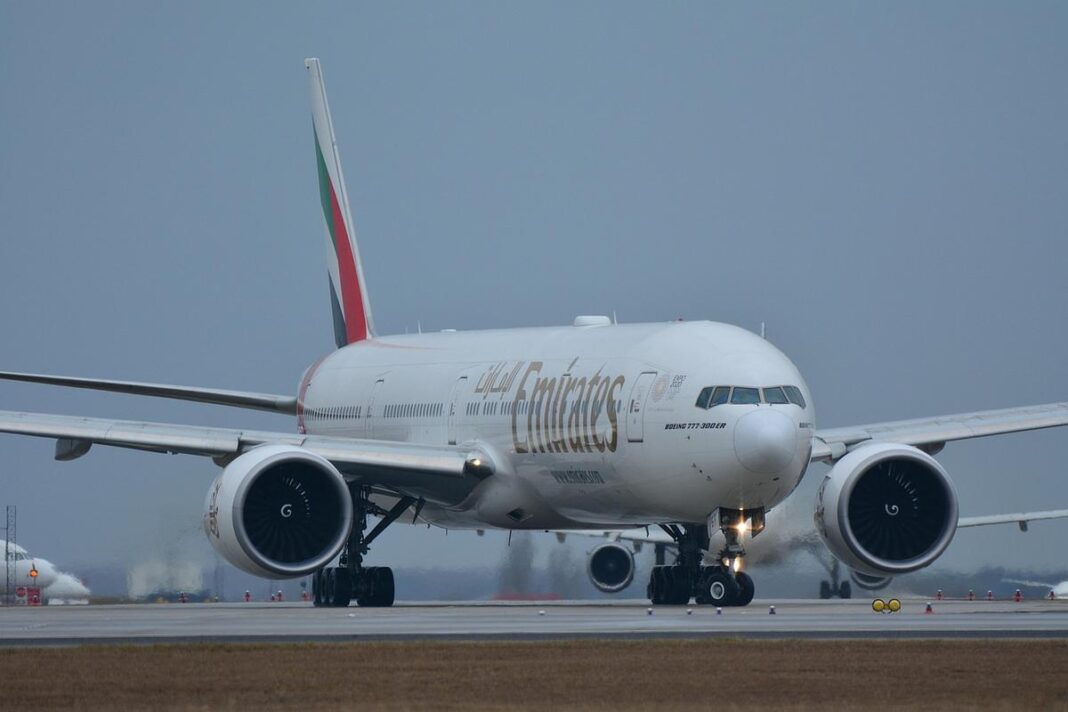
Chinese carriers have started sending back Boeing planes to the United States in the wake of escalating trade measures. Over the weekend, a Boeing 737 Max touched down at a Seattle production facility—a clear sign of ongoing adjustments in aircraft deliveries. This action followed an instruction from Chinese authorities directing carriers to refuse additional Boeing deliveries after a steep tariff of 145% was imposed on Chinese goods by U.S. officials.

Last week, reports indicated that three 737 Max 8 jets, originally scheduled for two Chinese airlines and in the process of being readied at a delivery center in Zhoushan, were recalled and redirected back to the United States. Eye-witness accounts confirm that one jet, featuring the colors of a well-known airline from Xiamen, landed at the Seattle facility for further processing. The aircraft was among several models that were waiting at the Zhoushan center for final work before being dispatched to its intended customer.

Neither the aircraft maker nor the Xiamen-based airline responded immediately when asked for a comment. A spokesperson from China’s Ministry of Foreign Affairs mentioned during an April 16 press briefing that he was not aware of any formal order instructing carriers to reject Boeing deliveries. In addition, separate reports indicate that domestic leasing companies have been affected, with one lessor noting that a customer airline reconsidered its previous commitment, forcing the remarketing of an already built 737 Max 8.

Industry experts suggest that airline executives might choose to delay new deliveries rather than incur the heavy tariffs, a move that could bring financial and operational challenges to China’s aviation companies. This situation places considerable pressure on the U.S. aircraft manufacturer, which hoped to secure a larger share of the market against European competitors amid an already challenging trade environment.

This year, a total of 18 jets have been delivered to nine different Chinese carriers. Looking ahead, the nation’s three largest airlines plan to receive more planes, with orders of 45, 53, and 81 jets scheduled between 2025 and 2027. The adjustments in delivery figures highlight the effect of fluctuating trade policies on both international exporters and domestic aviation fleets. Trade tensions persist.


Hot this week

This Immigrant Dad Made Over $300,000 During A Pandemic

Today we’d like to introduce you to Ramdas Yawson. It’s...

How Ray Kroc Turned McDonald’s into a Giant Success

In 1954, Ray Kroc, then a milkshake machine salesman, stumbled upon a modest restaurant that would change his life forever. As he observed the operation unfold, what Kroc saw next left him utterly captivated, sparking a decision that would transform McDonald's from a local eatery into a global giant. But what exactly did Kroc witness that day? Find out...

Effective Ways to Simplify Your Life

Brute similiq ue an ius platonem mediocrem mea. Suas...

6 Figure Hair Extension Artist & Educator, Tasharra Tucker, Giving Stylists The $100K/Year Blueprint

Today we'd like to introduce you to Tasharra Tucker. It's...

Alex Diehl Has Created the Yoga App You’ve Been Waiting For

Today we’d like to introduce you to Alex Diehl. It’s...

Nurhan Ora Opens Event Bookings as Demand Grows for Human Skills in the Age of AI

In a world increasingly shaped by automation, the most...

From Operator to Architect: How Doug Levy Is Redefining Operational Consulting

In a business landscape saturated with buzzwords and broad...

Shon Isenhour Introduces iBL Plus to Elevate Manufacturing Performance

As industries continue to evolve, the need for practical,...

Why Most Businesses Fail with AI – And It Has Nothing To Do With Technology

By Carter Jensen       5/4/26 International practitioners at the...

How Tashaya J. Singleton Is Leading a Financial Reset Movement

Financial Wellness Is Not a Luxury. It Is a...

The Business Case for Airelles Palladio Venezia: Supply Gap, Rate Parity, Brand Transfer

Airelles' Venice entry is built on three pillars: a five-year supply gap at the top of the market, rate parity with the Cipriani, and a brand strong enough to transfer beyond France.

The Business Case for Airelles Palladio Venezia: Supply Gap, Rate Parity, Brand Transfer

Airelles' Venice entry is built on three pillars: a five-year supply gap at the top of the market, rate parity with the Cipriani, and a brand strong enough to transfer beyond France.

How to Conduct a Comprehensive Technology Assessment in 5 Steps

Business growth relies heavily on a stable, secure, and...

Related Articles

Popular Categories