
A successful career can provide a sense of certainty that is difficult to surrender. After years of making decisions, building expertise, and pursuing measurable goals, professionals often know exactly what is expected of them.
What becomes less certain is whether those expectations still reflect the life they want.
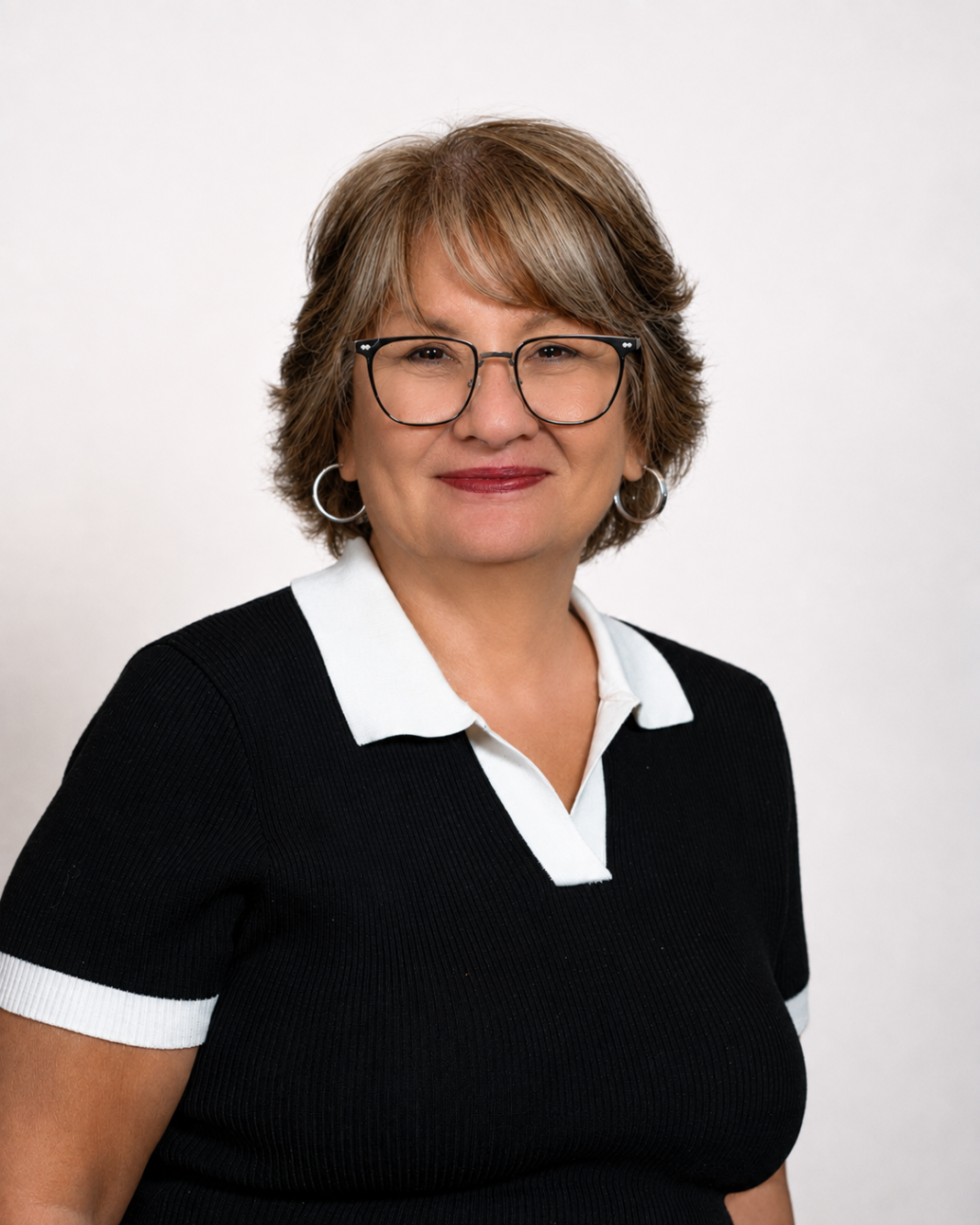
Susan Carstens, founder of MindShift to Legacy, is developing a coaching and speaking platform around that question. Her work focuses on high achieving professionals who have built successful careers but find themselves disconnected from the lives they have created.
For Carstens, the next chapter begins with understanding the person behind the professional accomplishments.
When the Familiar Path Stops Feeling Right
Career transitions are often associated with visible changes. Someone accepts a new position, leaves an organization, starts a business, or moves into retirement.
Yet the more consequential transition can begin long before any of those decisions become public.
A professional may continue performing well while privately questioning whether their work still reflects their priorities. The career remains successful, but the motivation behind it has changed.
This distinction matters because external achievement and personal fulfillment do not always develop at the same pace.
Someone who pursued advancement for financial stability may eventually value flexibility more. Another professional may discover that the recognition they once sought has become less meaningful than the opportunity to contribute.
Neither realization requires dismissing previous accomplishments. It simply acknowledges that personal priorities can evolve.
Making Room for a Different Definition of Progress
Through coaching, speaking, and transformational programs, MindShift to Legacy aims to help professionals reconnect with their identity and develop a clearer understanding of what they want next.
Carstens summarizes her philosophy in a statement that reflects the company’s direction: “Who you become changes everything.”
The idea places personal development at the center of decisions about the future.
Rather than beginning with another career objective, the process encourages people to consider what they want their lives to represent.
That can be difficult for individuals accustomed to measuring progress through promotions, compensation, or professional recognition.
Personal clarity rarely arrives with the same concrete indicators.
It requires examining values, questioning established expectations, and accepting that a meaningful future may look different from the one originally imagined.
A New Platform for an Established Question
MindShift to Legacy is still in its early stages, but Carstens has begun introducing her message to wider audiences.
She has spoken at two conferences this year, an initial milestone as she develops her work in coaching and public speaking.
Her message addresses a question that becomes increasingly relevant as professionals accumulate experience: What happens when the goals that once provided direction no longer feel sufficient?
There is no universal answer.
Some people may pursue new professional opportunities. Others may reconsider their responsibilities, relationships, or the contribution they want to make outside their careers.
The common thread is the need to make those decisions deliberately.
The Value of Knowing What Comes Next
A career transition does not always require an immediate change in circumstances.
Sometimes, the first meaningful step is recognizing that a different future is possible.
Carstens is building MindShift to Legacy around that recognition, encouraging professionals to consider their next chapter through the lens of identity rather than achievement alone.
The work begins with a question that deserves attention before the next major decision is made.
Does the life ahead reflect the person you have become?
Learn More
Learn more about Susan Carstens and MindShift to Legacy through LinkedIn or Facebook. The company’s website, mindshifttolegacy.com, is currently unpublished.