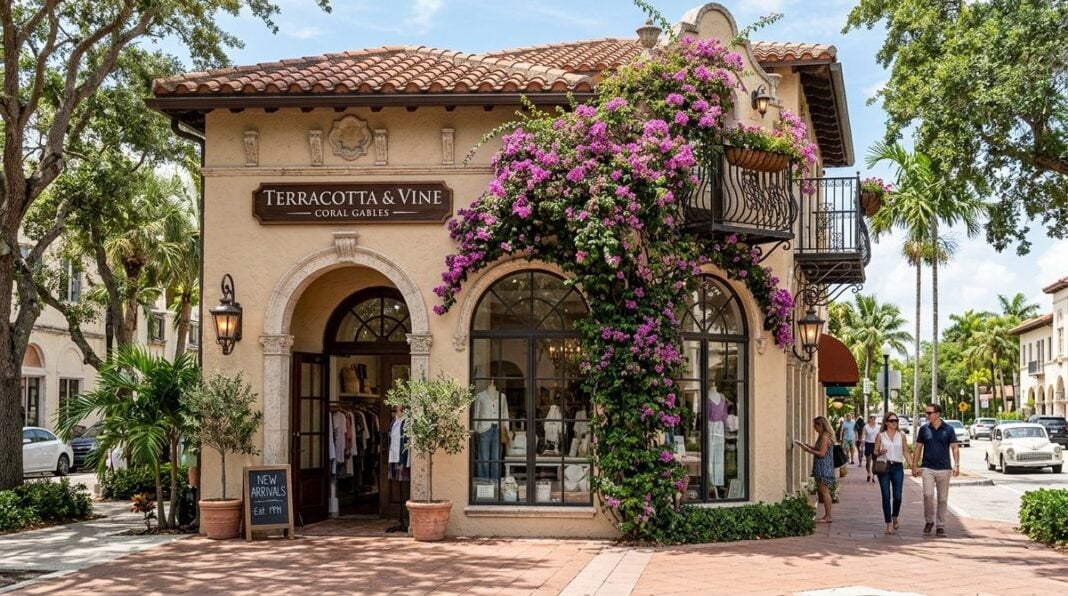

Expanding a boutique brand into new geographical markets is a significant milestone for any entrepreneur. It represents a transition from a local presence to a broader footprint, offering opportunities to reach a new audience and solidify your reputation. However, this growth requires meticulous planning and a clear understanding of the nuances involved in operating within different environments. Maintaining brand consistency while adapting to the unique expectations of new customers is the central challenge of this process.
The foundation of any successful expansion lies in deep market research. You must look beyond simple population demographics and analyze the cultural and aesthetic preferences of the target region. When scouting trends, many successful boutique owners rely on resources like Fashion Sky to understand evolving consumer preferences and identify how their specific offerings can resonate with a new demographic without compromising their original vision.
Once you have a clear picture of the market demand, the next challenge is selecting the appropriate physical location. The visibility, accessibility, and character of your storefront will heavily influence your brand perception in the new territory. Once a target market is identified, you need to understand the physical real estate landscape, often utilizing platforms like Aksaray City to gauge availability and market trends before finalizing your lease or purchase agreements.
Securing the Right Physical Space
Choosing a location involves balancing foot traffic against the cost of occupancy and the physical condition of the site. A storefront in a high-traffic area may offer visibility, but it also comes with elevated operational expectations and costs. You must evaluate whether the space aligns with your brand’s aesthetic. A sleek, modern brand might require a significantly different environment than a rustic or vintage-focused boutique.
Consider the logistical requirements of your daily operations. Does the space provide sufficient room for inventory management, back-of-house activities, and a welcoming customer-facing area? Furthermore, investigate the surrounding businesses. Synergy with nearby retailers can drive traffic, but you must ensure that your direct competitors are not so close that they overshadow your unique value proposition. Look for areas where your brand complements rather than fights for the same immediate attention.
Addressing Operational Logistics
Operational complexity grows exponentially when you move away from your original location. You will need to manage inventory across multiple sites, ensure consistent staffing levels, and adhere to local ordinances that may differ from those in your home base. Before settling on a site, ensure you have addressed operational overheads, including navigating complex local waste management regulations, which often vary significantly between districts and can impact your day-to-day facility management.
Establishing robust supply chain management is crucial. As you scale, the reliability of your logistics providers becomes a critical point of failure. You need systems that allow for seamless replenishment of stock to ensure that customers in every location find the same level of availability. Centralizing procurement, where possible, can help maintain quality control while allowing for slight variations to suit local tastes.
Building a Local Identity
While brand consistency is paramount, successful expansion involves adapting to local sensibilities. A brand that feels authentic in its hometown might need subtle adjustments to feel relevant in a new city. Engage with the local community by participating in neighborhood events, partnering with local influencers, or supporting regional initiatives. This approach demonstrates that your business is not merely a transient tenant but a genuine participant in the local economy.
Your marketing approach should also reflect local engagement. While your overarching brand message remains the same, your localized communication channels can highlight how your products fit into the lifestyles of the people in the new area. Tailoring your messaging to address local interests or seasonal habits can significantly enhance your reception in a new market.
Scaling Your Team Effectively
The people you hire in a new market act as the primary ambassadors of your brand. They must embody the values and professional standards you have cultivated since inception. Scaling your team requires a commitment to training and empowerment. You cannot be everywhere at once, so you must entrust your local managers with the authority to make decisions that align with the brand’s mission.
When building your new team, prioritize the following qualities:
- Strong alignment with the core values of your company.
- Previous experience in localized customer service roles.
- An ability to adapt to new operational systems quickly.
- A proactive mindset toward problem-solving in a fast-paced environment.
A successful expansion is not just about opening doors; it is about creating a replicable experience that delights your customers regardless of their location. It requires balancing centralized control with the flexibility to adapt to local needs. By prioritizing thorough research, operational efficiency, and community engagement, you lay the groundwork for long-term growth and stability.
As you move forward, regularly evaluate your performance in the new markets against your goals. Pay attention to feedback, both from your customers and your staff on the ground. This continuous cycle of evaluation and refinement is what separates successful brands from those that struggle to maintain momentum during periods of growth. Approach each new location with the same care you gave your first, and your brand will be well-positioned for continued success.