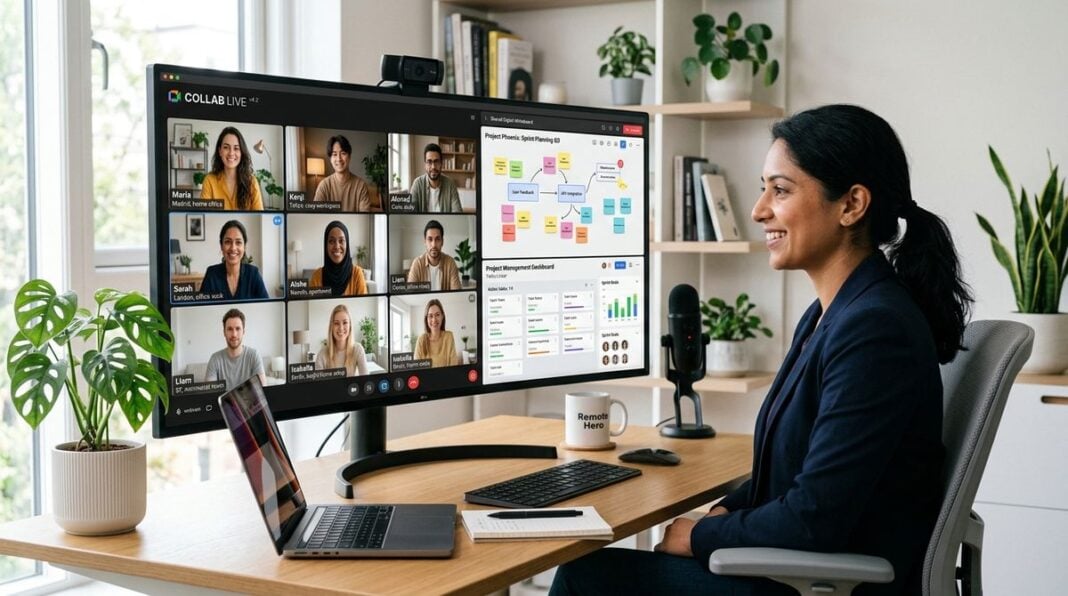

Running an independent venture from a home office provides distinct advantages. Entrepreneurs gain direct control over their daily schedules, minimize commute friction, and create customized environments tailored to deep focus. Yet, even the most self-contained home enterprises eventually require stepping beyond the front door. Whether attending industry trade shows, meeting prospective clients, negotiating with vendors, or exploring new markets, business travel remains an essential growth lever for modern founders.
Stepping away from a familiar desk introduces significant operational challenges. When your home workstation doubles as corporate headquarters, traveling can easily disrupt ongoing client deliverables, fragment communication, and leave you feeling overwhelmed. The structured rhythms that keep daily operations running smoothly at home often unravel in transit halls, hotel rooms, and busy conference centers.
Balancing travel demands with ongoing company responsibilities requires deliberate systems. By treating business trips as planned extensions of your daily workflow rather than chaotic interruptions, you can protect existing operations while capturing valuable offsite opportunities.
Establishing a Resilient Home Work Baseline
Before packing a suitcase, founders need to evaluate the stability of their home operating environment. If your day-to-day workflow relies heavily on physical notes, static desktop setups, or unstructured routines, leaving your primary workspace will quickly expose those weaknesses. Creating portable systems begins by refining how you manage files, client expectations, and daily priorities while at your primary desk.
Maintaining strong remote operational routines before leaving town makes every trip smoother. Reviewing practical resources such as work-at-home-net-guides.com helps founders organize digital workspaces, manage daily focus, and build sustainable routines that hold steady even when away from the main desk. When digital filing systems and task trackers are organized systematically, pulling up critical documentation during a client conversation hundreds of miles away becomes effortless.
Effective preparation also involves setting clear communication boundaries. Inform ongoing clients of your travel window several business days in advance. Clarify your expected response times, set up clear out-of-office notices, and outline an emergency contact procedure. Establishing these expectations prevents clients from assuming you are unresponsive when you are simply participating in a meeting or boarding a flight.
Selecting Accommodations That Support Deep Focus
Accommodations represent far more than a place to rest after a busy day of networking. For a home-based business owner, a hotel room serves as a temporary executive suite, communications hub, and quiet sanctuary. Booking lodging based solely on proximity or basic comfort can backfire if the space lacks the infrastructure needed to maintain business continuity.
Finding accommodations equipped with quiet workspaces, ergonomic desks, and consistent connectivity takes intentional planning. Consulting specialized insights from businesshotel-navi.com gives traveling entrepreneurs clear ideas for picking business-friendly lodging that keeps operational momentum moving forward while on the road. Prioritizing properties that cater directly to commercial travelers ensures that you have access to quiet meeting rooms, reliable power outlets, and adequate desk space whenever critical client tasks arise.
Once you arrive at your lodging, set up your temporary workspace immediately. Unpack your laptop, plug in chargers, test the wireless connection, and establish a tidy work surface before attending your first appointment. Having a functional workstation ready to use eliminates friction when you return late in the evening needing to answer urgent client messages or review notes.
Leveraging Trips to Deepen Professional Relationships
While digital channels allow founders to conduct business across the globe, in-person meetings possess a unique depth. Meeting clients, suppliers, and peers face-to-face accelerates rapport and creates authentic trust that video calls rarely match. Purposeful business travel turns isolated digital connections into meaningful long-term partnerships.
Travel offers a rare opportunity to meet colleagues in person and strengthen long-term commercial ties. When you build strategic peer alliances across different cities, you gain fresh market insights and collaborative opportunities that rarely emerge through digital messaging alone. Connecting with other independent operators during your trip creates a sounding board for mutual problem-solving and shared market intelligence.
To maximize the value of these interactions, keep your meeting schedule intentional. Rather than filling every available hour with casual catch-ups, prioritize conversations that offer mutual strategic value. Prepare clear discussion points before each meeting, listen actively to the challenges facing your counterparts, and identify concrete ways to support their objectives.
Protecting Energy and Daily Operating Rhythms
The rapid pace of business travel can easily lead to mental fatigue and physical exhaustion. Moving through unfamiliar cities, adjusting to irregular schedules, and participating in continuous social interaction quickly drains energy reserves. If your stamina drops, both your offsite meetings and your ongoing home operations suffer.
Founders must actively defend their daily working rhythm rather than allowing travel demands to dictate their schedule. Guarding personal energy requires establishing strict limits around work commitments during the trip. Scheduling dedicated blocks of administrative time allows you to process daily communication without feeling rushed.
To protect your daily operational rhythm while traveling, consider applying these fundamental habits:
- Block out dedicated administrative windows each morning before offsite meetings begin.
- Confirm backup mobile data options before entering unfamiliar venues or transit hubs.
- Limit client delivery commitments during transit days to avoid unnecessary stress.
- Record meeting notes immediately following conversations while details remain fresh.
In addition to these structured habits, remain disciplined about your resting hours. Decline non-essential late-night gatherings when you have demanding meetings or critical client deadlines scheduled for the following morning. Arriving at appointments clear-headed and well-rested demonstrates true professionalism and keeps your judgment sharp.
Transitioning Smoothly Back to the Home Office
The return from a business trip represents a critical phase of the journey that many founders neglect. Arriving back at your home desk only to confront an overflowing inbox, disorganized physical receipts, and a backlog of routine tasks can quickly erase the momentum gained while away. A deliberate transition plan preserves the strategic value of your trip.
Reserve your first half-day back for reorientation rather than jumping directly into high-intensity project work. Begin by sorting through notes, cataloging business contacts, and filing travel expenses. Send timely follow-up messages to the individuals you met, expressing appreciation for their time and reiterating any commitments or next steps discussed during your conversations.
Once initial follow-ups are dispatched, review the general state of your business operations. Check on ongoing projects, evaluate team or contractor updates, and re-establish your standard home office schedule. Taking the time to close the loop on your travel activities ensures that the new relationships and strategic insights you acquired translate directly into enduring business growth.