
Market Decline Following Fed Chief’s Remarks on Tariffs
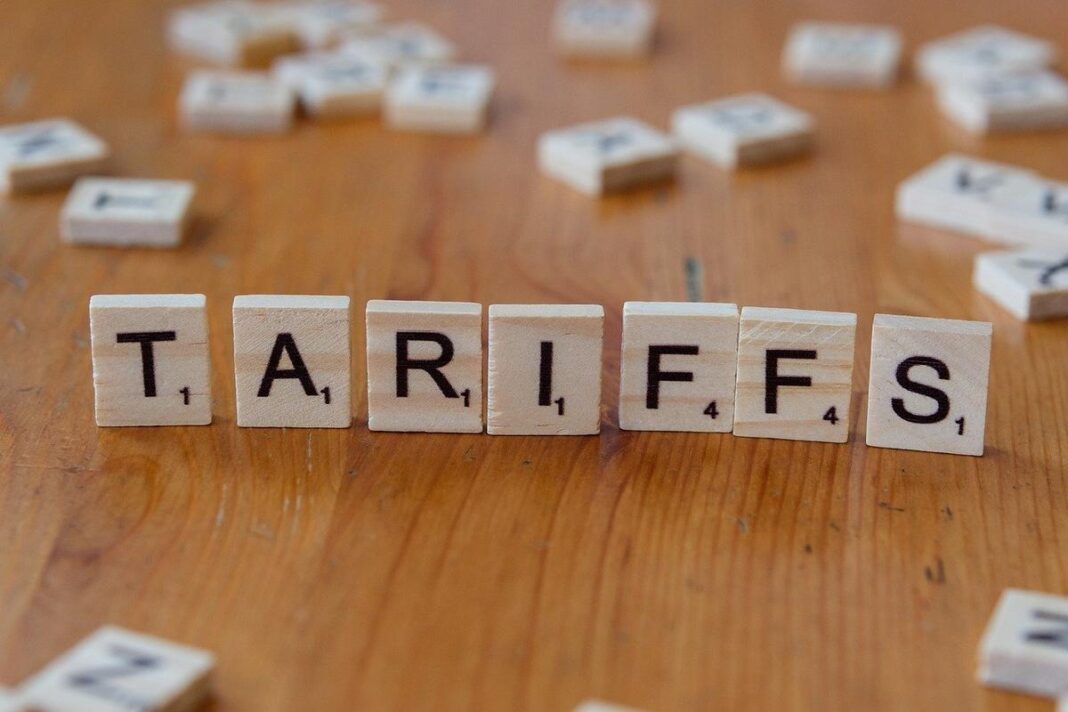
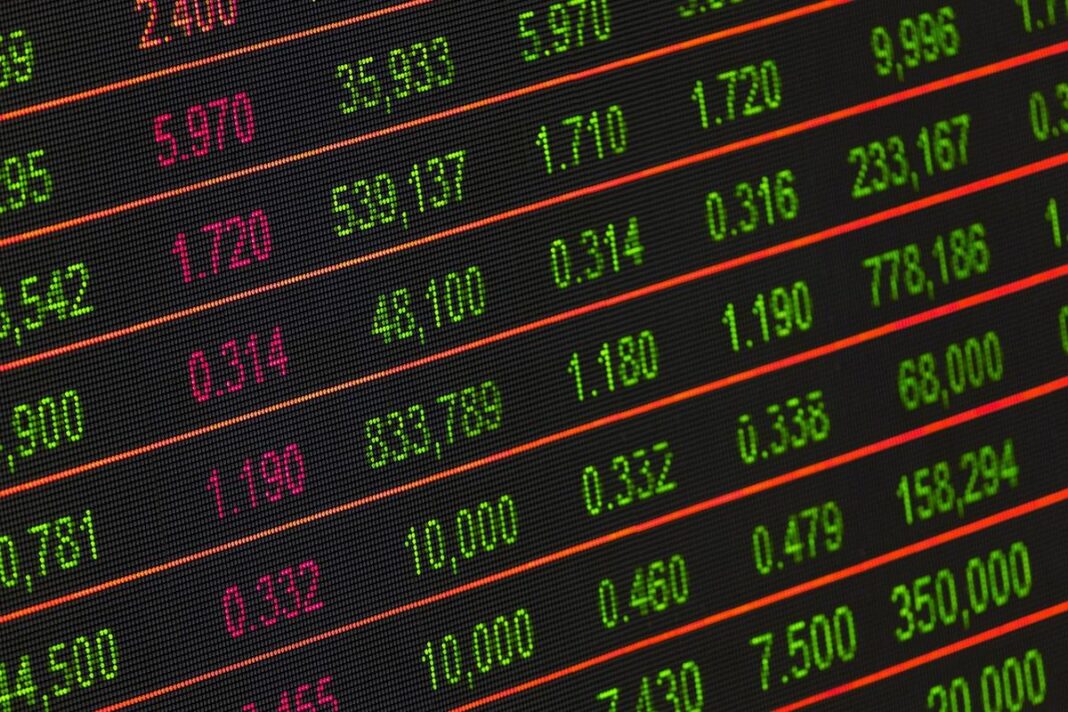
Late in trading, all three main market indexes—the Dow Jones Industrial Average, S&P 500, and Nasdaq Composite—experienced a notable drop after comments by Federal Reserve Chairman Jerome Powell. In his latest address, Powell warned that the tariffs established under the current administration might lead to higher prices, adding pressure on the central bank’s efforts to keep inflation in check.
Shifting Focus from Policy Optimism to Trade Concerns
Earlier communications from Powell had touched on proposals from the new administration that promised fewer regulatory restrictions and possible reductions in taxation. Those remarks had offered some comfort to investors and market participants. This time, however, Powell’s discussion centered on trade policies that have reached levels well beyond previous expectations. He expressed concern that these policies could contribute to rising prices and slow economic expansion. The change in tone caught many by surprise, especially since a more cautious stance had been voiced not long ago by a senior official from the monetary policy establishment.
Expert Analysis and Market Reaction
A top strategist at a respected wealth management firm provided further insight into the market’s reaction. Art Hogan, a chief market strategist, observed that investors had anticipated a softer message. In his view, Powell’s emphasis on the severity of the current trade measures disrupted expectations and intensified market declines that were already in motion. The downturn, which had already been in progress before Powell began speaking, deepened as traders absorbed the implications of higher tariffs and their potential effect on consumer prices and overall growth.
Repercussions for the Upcoming Months
Analysts are now discussing the effect that these trade measures might have over the next 90 days. With the current uncertainty and the risk that the central bank’s support might not be as strong as hoped, many market players are bracing for continued volatility. There is a growing belief that sustained elevated tariff levels could stoke consumer price increases and create obstacles for economic growth. Current sentiment suggests that the likelihood of a significant market correction may be higher until there is clarity on trade policy adjustments.
Calls for Significant Policy Actions
Observers point to the need for immediate breakthroughs in trade negotiations as the only effective remedy for restoring confidence. The turnaround would require the government to announce concrete agreements with trading partners, including major economies such as China and India, as well as neighbors in North America. Recent remarks from a high-ranking official in the Commerce Department hinted that talks might be advancing, although formal declarations remain pending. Swift progress in these negotiations is anticipated to provide the market with a clearer path forward away from the strains that Powell described.
The Road Ahead
Investors are now monitoring policy developments with heightened vigilance. The emphasis is on achieving prompt progress with trade negotiations—ideally within days rather than weeks—to reduce the prevailing uncertainty. Market participants hope that a series of rapid announcements regarding trade deals will help stabilize price pressures and mitigate the slowdown forecast by the central bank. In the absence of immediate progress, many anticipate that the volatility seen in recent sessions is likely to persist.
Preparing for Uncertain Times
As the economic climate becomes increasingly unpredictable, the focus remains on how quickly the key decision-makers can adapt trade policies to support steady growth. Traders and analysts alike agree that any decisive action to lower the tariff levels or secure new trade agreements will play a crucial role in calming investor sentiment. For now, the financial community remains cautious, waiting for new developments that could shift the current course toward a more secure outlook.