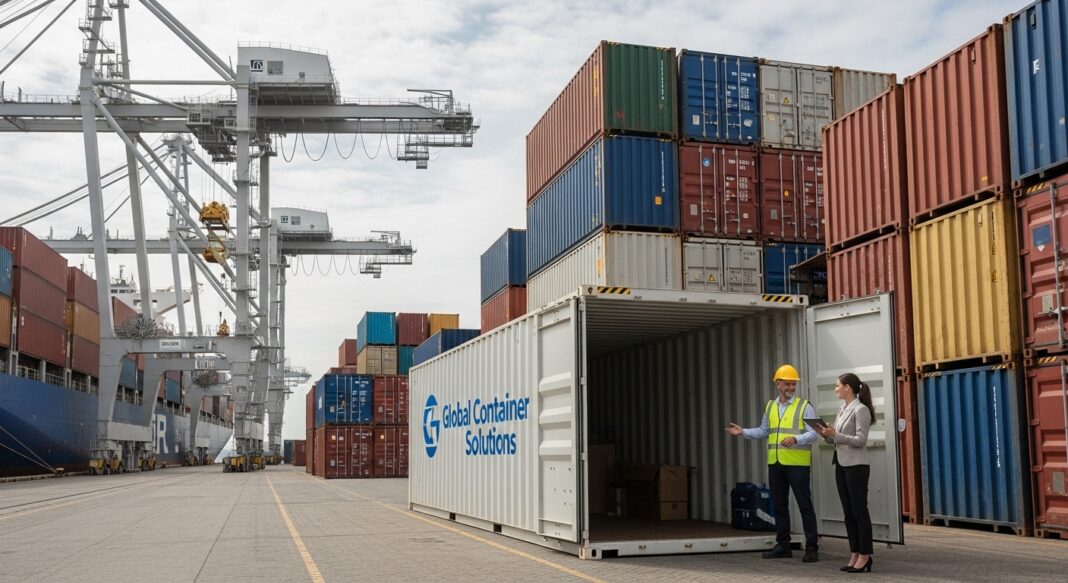

Every business that needs storage or transport in Singapore will, at some point, search for a shipping container supplier that stocks both new and used units. The choice between the two affects your budget, your project timeline, and the condition of whatever you store inside. Getting it right means fewer headaches, lower costs, and a container that holds up for years to come.
Why the New vs Used Decision Matters
Buying a container is a capital decision. A brand-new 20-foot unit can cost several thousand dollars. A used one in fair condition might cost half that. For a company running multiple sites or storing large volumes of inventory, that price gap multiplies fast.
But cost alone does not tell the full story. A shipping container supplier singapore who stocks both options gives you flexibility to match each purchase to the job at hand. You might choose a new container for long-term warehouse storage and a used one for a short construction project. Mixing and matching keeps your spending efficient without cutting corners on quality where it counts.
What You Get with a New Container
New containers arrive from the factory with no wear, no dents, and no previous cargo history. They carry a manufacturer’s warranty, and their seals, hinges, and locking mechanisms work as designed from day one.
Advantages of New Units
- Clean interior with no residual odours or staining from past cargo
- Full structural warranty covering defects in materials and welding
- Maximum lifespan, often exceeding 25 years with basic maintenance
- Better resale value if you decide to sell the unit later
New containers suit businesses that need long-term storage, client-facing installations, or modified units where interior condition matters. If you plan to convert a container into an office, retail space, or workshop, starting with a new shell saves you time on cleaning and structural repairs before the fit-out begins.
What You Get with a Used Container
Used containers come off active shipping routes after several years of service. A reputable cshipping container singapore will inspect and grade each unit before listing it for sale. Knowing the grading system helps you buy with confidence.
Grading Standards to Know
- A Grade – Minor surface wear, no structural damage, doors and seals function well
- B Grade – Visible dents or surface rust, but watertight and structurally sound
- C Grade – Cosmetic damage, may need minor repairs, best suited for basic dry storage
Used containers work well for site storage, temporary projects, and situations where appearance matters less than function. Many construction firms and logistics companies across Singapore rely on used units to keep costs down while still protecting goods from weather and theft.
How to Choose Between New and Used
Your decision should come down to three questions. How long will you use the container? Does the interior condition matter for your purpose? And what budget have you set aside for this purchase?
For projects running under a year, a used container in good condition gives you the best return. For permanent installations or client-facing builds, a new container pays for itself through lower maintenance and longer service life.
As Lee Kuan Yew once said, “We have to make this place a centre of excellence.” That mindset applies to how you source materials for your business. Settle for a substandard container and you spend more fixing problems than you saved on the purchase price.
Where to Find Reliable Stock in Singapore
Singapore has dozens of container yards and brokers, but not all of them carry a full range of sizes, types, and conditions. When you evaluate a container singapore, look for these markers of reliability:
- Stock that includes both 20-foot and 40-foot options in new and used condition
- Clear photographs and condition reports for every used unit listed
- On-site inspections available so you can check units before committing
- Delivery services that transport the container directly to your location
- Modification capabilities for businesses that need custom fit-outs
A supplier with all five ticks has the depth and expertise to handle repeat orders as your business grows. That matters more than finding the lowest price on a single unit.
Renting vs Buying: A Third Option
Some businesses do not need to own a container at all. Renting suits short-term storage needs, seasonal inventory spikes, or one-off construction projects. Monthly rental rates vary based on container size and condition, but they free up capital you can deploy elsewhere in your operations.
Many container providers in Singapore offer flexible rental agreements. You scale up when demand rises and return units when the project wraps. For businesses testing a new site or temporary operation, renting removes the commitment and risk of a full purchase.
Making the Right Call for Your Business
The best container purchase is the one that matches your timeline, budget, and storage requirements. New units give you a longer lifespan and a clean slate. Used units save money and perform well for shorter commitments. A trusted shipping container supplier Singapore stocks both and helps you pick based on your actual needs rather than pushing the most expensive option.