


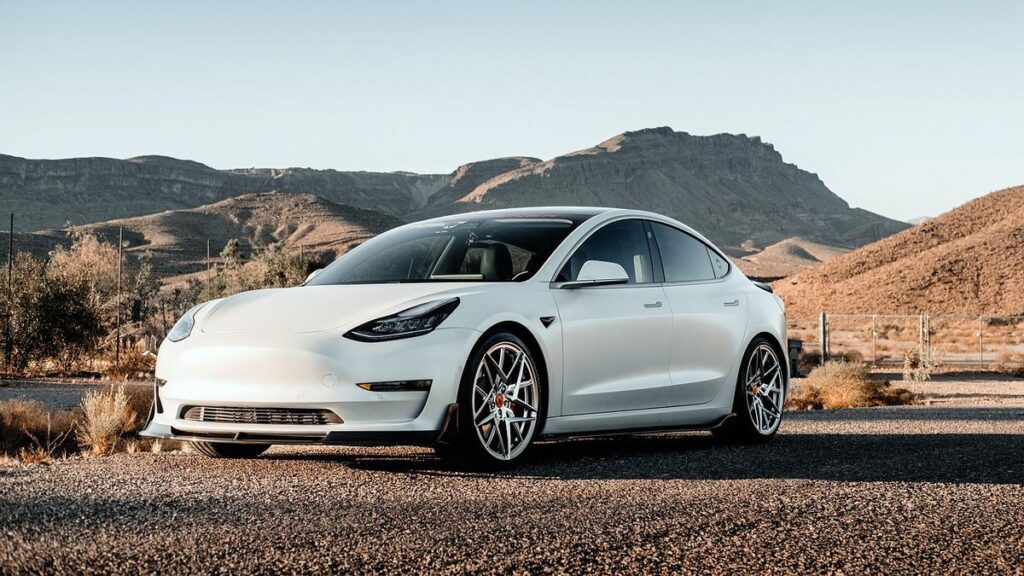
Tesla’s New Self-Driving Initiative
Tesla is widely recognized for its range of electric cars, even as recent news has focused on lower sales figures and protests occurring at Tesla facilities. What is less known is that the company has submitted an application to offer driverless taxi services in California. This new plan is in its early phases, with no immediate rollout intended for nationwide service. Tesla now joins several companies that are pursuing fresh methods for providing cleaner transportation options.
CEO Elon Musk recently remarked that much work remains before the system can perform reliably. A company representative added via email that the submission is under review and has not been made public. Despite the ongoing debate concerning electric vehicles, just a few years back, the idea of routinely driving a fully electric car was considered nearly science fiction. Today, several organizations, including Cruise and Waymo, already operate vehicles that pick up and drop off riders without a human operator.
Progress Toward Regulatory Approval
The proposed service will depend on clearing a demanding permit process in California, where the rules for self-operating vehicles are more stringent than those applied to services like Uber and Lyft, where drivers use their own cars. In other regions, regulations treating autonomous vehicles follow the same standards set for traditional cars. At this time, it remains uncertain when or if Tesla’s driverless taxi service will begin operating in the state.
A recent demonstration of Tesla’s Autopilot system captured attention when a video showed a test scenario in which a car struck a dummy in heavy fog and rain, eventually colliding with a painted barrier. This incident has sparked a lively debate about the safety of Tesla’s approach to self-driving technology. Although there is no solid evidence showing that these vehicles are involved in accidents more frequently than those managed by human drivers, some specific challenges still exist. For example, Tesla’s system has encountered difficulties executing turns and correctly reading road signs on occasion.
In China, some drivers using Tesla’s full self-driving capabilities have received fines for violations. A separate incident involving a Waymo vehicle—filmed as it was pulled over for entering the opposite lane—gained rapid attention online last year. Such events underscore the need for further refinement and extensive testing before public acceptance grows.
Comparing Sensor Systems
Tesla’s current approach relies solely on a sophisticated optical camera array. This method contrasts with competitors like Waymo, which integrate additional sensors such as lidar and radar to detect objects that cameras might miss. Musk has repeatedly criticized lidar, calling it an inferior option, and he has reportedly overruled some engineers who advocated including radar in the system. He maintains that a camera-based system is not only cost-effective but also sufficient to drive a fleet of self-driving vehicles safely. This belief serves as a main reason why Tesla is moving forward with its plan to offer a driverless taxi service.
Earlier this past October, Tesla introduced a driverless prototype known as the Cybercab, sometimes referred to as a “robotaxi.” Despite this bold move, the company intends to use its current models—the Model 3 sedan and Model Y SUV—for the eventual launch of the service. The application process includes multiple steps involving permits and thorough documentation. Many details about the service, including its potential launch date and operational protocols, remain under wraps as Tesla awaits regulatory approval.
Environmental and Community Impact
Light-duty vehicles, which include cars, trucks, and taxis, account for nearly 91 percent of gasoline consumed in the United States. Approval of Tesla’s driverless taxi proposal in California could accelerate the shift toward transportation options that place less strain on the environment. Electric vehicles produce no tailpipe emissions and operate with far less engine noise than those powered by gasoline. Given their quiet operation, current regulations require that they emit a minimum sound level of 56 decibels to ensure pedestrians remain aware of their presence. Imagine electric taxis gliding along city streets with barely a hum and zero tailpipe emissions instead of conventional taxis that release engine sounds and pollution into the air.
An interactive poll even asks readers whether an electric vehicle might become a more attractive purchase if it were paired with a complimentary home charging unit. Should such incentives become common, the adoption of cleaner vehicles could broaden significantly, contributing to improved air quality and a reduction in overall fuel consumption.
The Importance of Ongoing Vehicle Maintenance
While industry innovators work to refine and expand self-driving technology, everyday vehicle care continues to be a priority for many car owners. Regular maintenance is a key factor in keeping any vehicle, whether electric or gasoline-powered, in good operating condition. A seasoned automotive technician from a well-known workshop network recently explained that routine checks can help car owners avoid unexpected problems and extend the useful life of their vehicles. This practical advice reminds us that, regardless of cutting-edge advances, routine upkeep remains a necessary part of responsible vehicle ownership.
The technician explained that conducting detailed inspections and addressing potential issues early on can make a significant difference in both safety and long-term expenses. By paying attention to the overall condition of a car, owners are better positioned to make informed decisions, thereby reducing the likelihood of encountering unforeseen repair needs. Such insights from automotive professionals resonate with many drivers who consider regular service to be one of the wisest investments they can make.
Tesla’s recent move to apply for driverless taxi services in California not only highlights the company’s ambition to redefine transportation through self-operating vehicles but also reflects a broader industry trend. As firms continue to test self-driving systems and improve their technologies, consumers and regulators alike watch closely. The ultimate success of these initiatives will depend on a combination of technical performance, regulatory approvals, and public confidence in a system that seeks to make our roads quieter, cleaner, and more efficient.
As the industry progresses through extensive testing and detailed reviews by governing bodies, the vision of automated, electric taxi services stands as one of the more intriguing developments in modern transportation.