


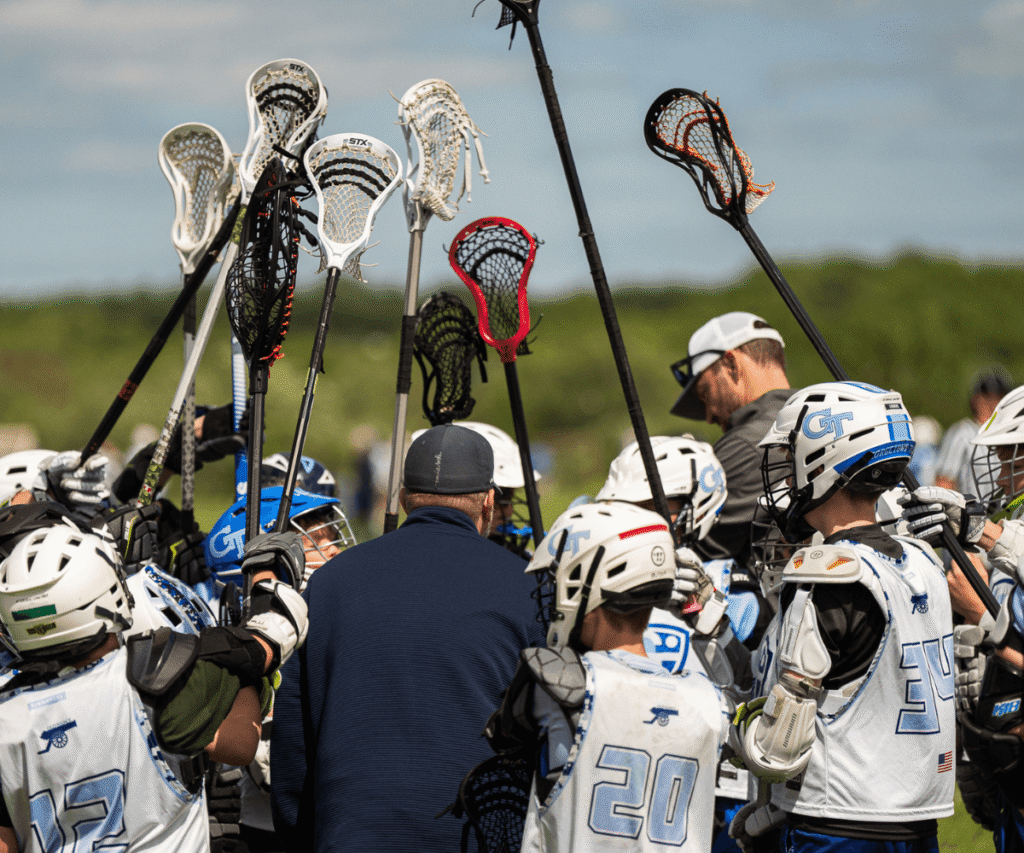
Youth sports in America is a roughly $40 billion industry, according to the Aspen Institute’s Project Play, and it remains one of the most fragmented. Thousands of independent clubs each run their own registration, uniforms, fundraising and staffing. For investors, fragmentation means opportunity. For families, a buyout can mean higher fees and a program that no longer feels local.
Signature Athletics, a Tampa company named to the 2026 Inc. 5000 list, is trying a model that sits between those outcomes.
The model
Signature Sports Brands, the company’s acquisition arm, buys community sports programs. It describes its approach as “People > Platforms”: the company backs the leaders already running a program rather than replacing them. Local directors keep control of the program’s identity, culture and day-to-day decisions, according to the company.
What changes is the back office. Signature Growth Services, the internal operating group behind every Signature company, takes on hiring, payroll, finance and marketing. Signature Locker handles uniforms. Signature Media brings sponsorship and content. The program plugs into all of it at once.
Signature lists a portfolio that includes Carolina Lacrosse Association, Style Lacrosse, Under the Lights Flag Football, Team Carolina, Team Virginia, Southern Stars, Signature Sports Camps and the Carolina Miners. Earlier, the company acquired 10X Lacrosse, a Florida youth lacrosse events and travel club operator.

A case study in the Carolinas
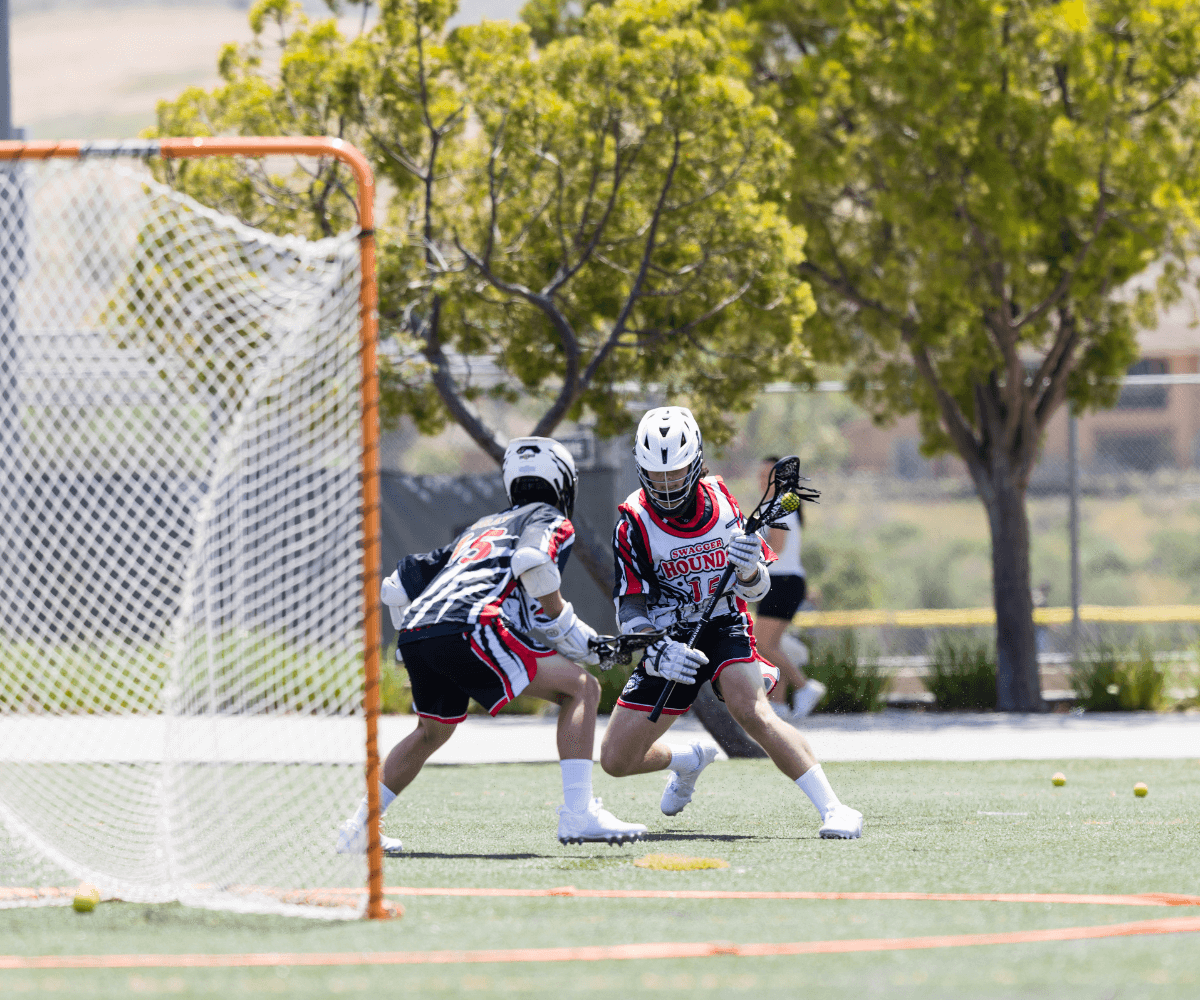
Carolina Lacrosse Association has run youth lacrosse since 2001 across the Charlotte area, with programs in Charlotte, Lake Norman, Huntersville, Denver, Fort Mill and Clover. According to LA Weekly’s August 2026 profile of Signature, program director and CEO Ricky Reyes was running the club the way many directors do, with more commitment than infrastructure.
After joining Signature, the club launched two new entry points: Start, a track for children new to lacrosse, and Play, a recreational tier that gives families a lower-cost path into the sport.
“Signature gave us the infrastructure to invest in coaching, player development, communication, and new programming instead of getting buried in administration,” Reyes told LA Weekly. “That’s allowed us to serve more players, create more opportunities, and stay focused on why we exist in the first place.”
Why entry-level tiers matter commercially
Much of the money and attention in youth sports sits at the top of the pyramid: elite travel teams, showcases and tournaments, where fees are highest. Signature’s pitch leans the other way. When the back office is handled centrally, a program has room to grow recreational and beginner tiers that bring new families into the sport.
That is also a customer acquisition strategy. Every child who starts in a beginner program is a future uniform order, camp registration and, possibly, travel team player.
The questions worth asking
- Who sets fees after an acquisition? The answer determines whether families feel the change.
- What stays local? Coaching staff, branding and schedules are what families notice.
- How is the back office funded? Shared services should cost less than each club doing it alone.
- Does growth reach beginners? New recreational tiers are a signal that access is expanding, not narrowing.
A test for the industry
Consolidation in youth sports is coming either way. The version that works for families keeps the coach who knows every child’s name and removes the paperwork that kept that coach off the field. Signature is betting that is also the version that builds a lasting business.