


Financial stress rarely stays confined to a person’s bank account. It can influence confidence, decision making and the way someone approaches uncertainty, including in professional settings where financial concerns are seldom discussed openly.
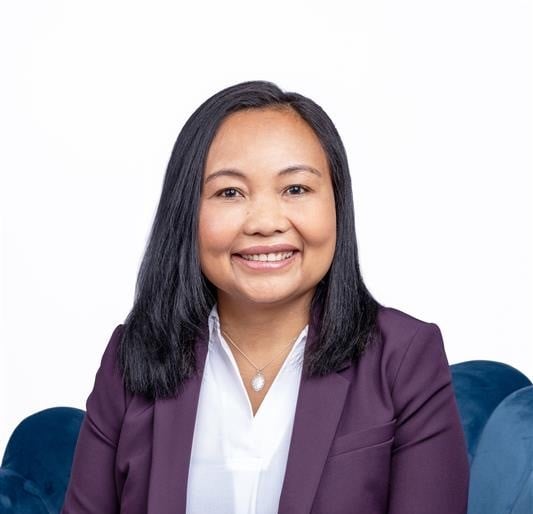
For Sheila Baroro, that connection deserves greater attention from leaders and organizations.
A CPA with more than 20 years of finance leadership experience, Baroro has managed multimillion dollar budgets across nonprofit and public sectors. Her career has given her an extensive understanding of financial responsibility. Yet her work today addresses a question that financial reporting cannot answer: What happens when someone’s relationship with money becomes a source of persistent fear or insecurity?
As the founder of Rise & Rebuild Academy and a certified Trauma of Money Practitioner, Baroro brings financial expertise and an understanding of emotional money patterns into her speaking engagements and educational programs.
The Financial Pressures People Carry Into Work
Organizations routinely measure financial performance. They review budgets, evaluate spending and develop strategies to manage uncertainty. Employees and leaders, however, bring their own financial experiences into those environments.
Someone who associates money with instability may approach financial decisions differently from someone who has always experienced security. Others may struggle with feelings of inadequacy despite achieving professional success.
These patterns are not always visible, and financial education alone may not resolve them.
Baroro believes understanding the beliefs behind financial behavior can create opportunities for meaningful personal change.
“My own journey taught me that financial success isn’t always the same as financial peace,” she says.
That distinction informs her approach to financial wellbeing. Technical knowledge provides essential tools, but emotional awareness can help people understand why they struggle to use those tools consistently.
Bringing a Different Perspective to Organizations
Through the Trauma of Money methodology, Baroro encourages individuals to examine how trauma, personal experiences and limiting beliefs may influence their financial choices.
Her professional background adds a practical dimension to these conversations.
Having spent decades managing financial resources, she understands the importance of accountability and planning. She also recognizes that financial behavior cannot always be explained through logic or information alone.
For organizations considering employee wellbeing initiatives, her work introduces questions that traditional financial literacy programs may overlook.
How do people respond emotionally to financial uncertainty? What beliefs influence their willingness to take opportunities? Why can professional achievement coexist with financial anxiety?
Baroro approaches these questions through education and personal reflection rather than assuming that every financial challenge has the same underlying cause.
Expanding the Definition of Financial Wellness
Baroro currently speaks at conferences, organizational events, podcasts and community gatherings across Canada, with virtual presentations available internationally.
Her Trauma of Money keynotes and workshops address the relationship between financial knowledge, personal experiences and long term wellbeing.
For leaders, the broader implication is worth considering. Financial wellness programs often begin with practical resources, and those resources remain valuable. Yet creating space for conversations about financial beliefs may help participants better understand their own decisions.
Baroro’s work reflects an expanding view of financial wellbeing, one that acknowledges the importance of both practical knowledge and personal experience.
After two decades working with numbers, she is now asking audiences to pay closer attention to the people behind them.
Learn More
Learn more about Sheila Baroro, her professional journey, and her work at sheilabaroro.com. Explore her financial education and coaching initiatives through Rise & Rebuild Academy. For more information about her financial consulting services, visit SMB Finance Consulting