


Long days on the road can make eating well feel impossible. Early departures, unpredictable traffic and few reliable places to stop often lead to fast food, skipped meals or hours without anything to eat. Hunger can make it harder to concentrate and to drive or travel safely. A little planning can change this pattern. This article describes common mistakes people make when planning meals for long days away from home, and it offers practical ways to avoid them. It is general information, and anyone with a health condition should seek advice from a qualified professional.
Mistake One: Relying on Whatever Is Nearby
Many travellers wait until they feel hungry and then accept the first option they see. This approach often leads to expensive, heavy or sugary food that leaves people feeling sluggish. Instead, plan one or two stops along the route in advance, and check whether those places are open at the times you expect to pass. Keeping a list of reliable options near your regular roads helps you choose quickly and calmly. Readers may also want to visit Alternatives Times.
Pack a few simple foods to bridge the gaps. Nuts, fruit, crackers and dried snacks keep well and reduce the pressure to stop when you are tired. These foods are useful on a long train journey as well as in a car.
Mistake Two: Skipping Breakfast Entirely
An early start can make breakfast feel like an unnecessary extra, but skipping it often leads to a long, uncomfortable morning. Even a small meal, such as a piece of fruit with a plain yoghurt or a slice of bread with a spread, can keep energy steady. Prepare breakfast the night before if you can, so that the morning does not become a rush. A flask of warm drink also helps on cold mornings.
Hydration matters too. Carry a bottle of water, and refill it when you stop. Keep the water bottle within reach of the driver’s seat or the window seat, so sipping becomes a habit. Dehydration can cause tiredness and headaches, which are easy to mistake for ordinary fatigue on a long day.
Mistake Three: Forgetting a Cooler and Containers
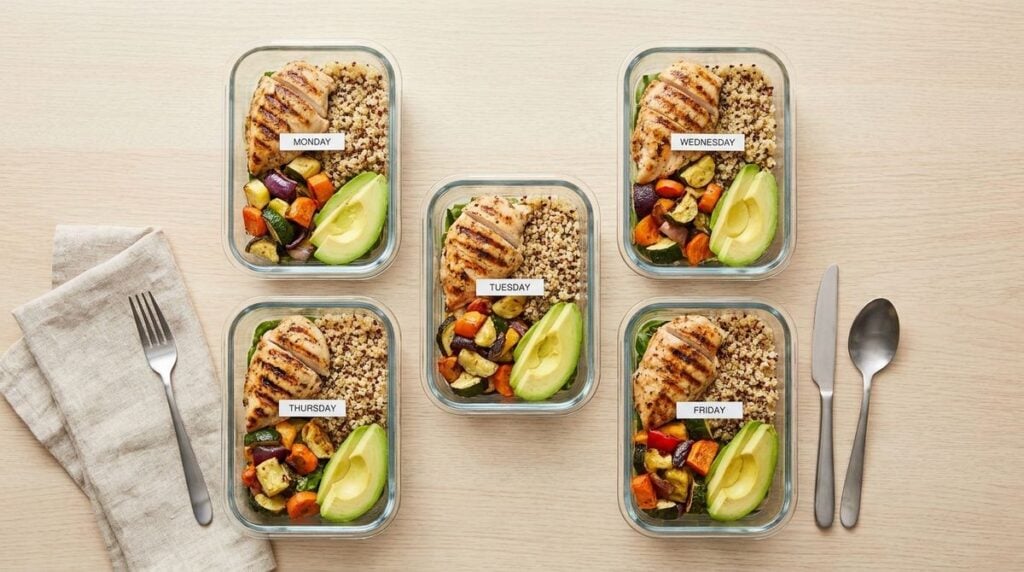
Many people plan meals but forget the practical equipment needed to carry them. A small insulated bag with a cold pack can keep perishable food safe for a day, and sturdy containers prevent spills in a bag. Use a leak-proof lid and label each container with the contents and the date. Keep a few reusable utensils, a cloth and a small bag for rubbish, so that the food is easy to eat away from home.
- An insulated bag with a reusable cold pack
- Sturdy, leak-proof containers in two or three sizes
- Reusable cutlery, a napkin and a small cutting board
- A flask for hot drinks or soup
- A bag for rubbish and a wet wipe for cleaning hands
- A reusable water bottle with a clear measure of fill
Check the cooler before each trip, and clean it regularly to avoid unpleasant smells and bacteria. Keep the cooler in the same place in the car, so that it is always easy to find. Food safety rules vary by country, so check local guidance if you carry food across borders.
Mistake Four: Overpacking Heavy Snacks
It is tempting to bring a large supply of snacks, but heavy items add weight and can spoil or get crushed. A balanced selection is more useful than a large stockpile. Choose a few foods that give energy and fill you up, such as wholegrain crackers, nut butter sachets, fruit that travels well and a small portion of cheese. Replace the stock every week, so that you are not eating food that has passed its best. Keep a small note of what you bought each week, so you can see which foods actually get eaten.
Mistake Five: Ignoring Rest Stops
A meal plan works only when there is time to eat it. Many travellers push on through lunch, planning to eat later, and then arrive at their destination exhausted and hungry. Build short rest stops into the schedule, long enough to eat, stretch and rest your eyes. You can also visit news4public.com for more reading. For a related read on this site, see Volunteering Your Skills: How to Find a Good.
Planning meals for long days on the road is a skill that improves with practice. Avoid relying on chance, eat a proper breakfast, pack the right equipment, keep snacks sensible and build in real rest. With these habits, long journeys become easier to manage, and you arrive with more energy for the work and people waiting at the end of the day. Start with one change, such as a packed breakfast, and build from there.