


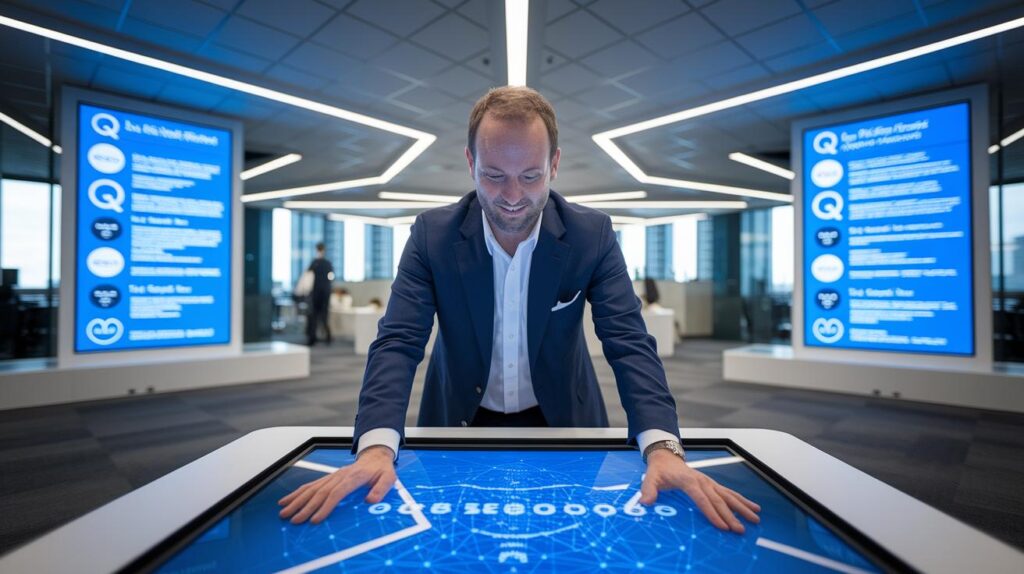
Modern Tools and Strategies for a Safer Workplace
Workplace safety used to be mostly about hard hats, fire drills, and a laminated poster in the break room. But times have changed — and so have the risks. Today’s businesses are thinking beyond physical hazards and adopting smarter, more proactive ways to keep people safe, healthy, and productive.
According to the U.S. Bureau of Labor Statistics, there were 2.8 million nonfatal workplace injuries and illnesses reported in 2022 — and many were preventable with better systems, training, or monitoring.
The smartest businesses are no longer reacting to problems — they’re using data, tech, and a shift in mindset to stop them before they happen. Here’s how they’re doing it.
Safety Isn’t Just Physical Anymore
Traditional safety protocols focus on injuries from machinery, slips, and other visible hazards. But modern businesses are taking a more holistic approach — one that includes mental health, indoor air quality, and even social behaviors.
This broader definition includes:
-
Health monitoring – Keeping an eye on fatigue, stress levels, or exposure risks
-
Digital awareness – Addressing screen time strain, posture, and cyber threats
-
Environmental controls – Ensuring clean air, comfortable lighting, and sound management
-
Substance detection – Using tools like vape detectors to discourage indoor vaping or substance misuse
Why vape detection? It’s particularly important in shared spaces like schools, offices, and warehouses, where unauthorized vaping can pose both health and compliance risks. Smart sensors help enforce policy without confrontation — and they work 24/7.
Investing in Technology That Prevents, Not Just Reports
Safety used to mean waiting for an incident to happen, then dealing with the aftermath. Smart businesses flip that script by using sensors, AI, and automation to prevent issues in real time.
Game-changing tech includes:
-
Wearables that monitor physical strain and alert workers to rest
-
Smart HVAC systems that maintain air quality and temperature
-
AI-driven security cameras that detect abnormal activity or overcrowding
-
Real-time dashboards that help facility managers respond instantly to alerts
-
Vape detectors that notify supervisors discreetly when vaping is detected in restrooms or restricted areas
These tools allow for faster responses, better data collection, and fewer incidents slipping through the cracks.
Making Safety Part of the Culture
Even the best tech doesn’t matter if employees don’t feel engaged or empowered to act on it. That’s why forward-thinking companies make safety a culture, not just a checklist.
They do this by:
-
Providing ongoing, scenario-based training, not just annual refreshers
-
Encouraging open reporting without fear of punishment
-
Integrating safety into onboarding and performance reviews
-
Highlighting wins (e.g., “X days incident-free”) in meetings or newsletters
-
Involving employees in safety planning and feedback loops
When people feel ownership over their environment, safety becomes part of how they work — not an extra task.
Adapting Safety to Hybrid and Remote Work
The workplace is no longer just four walls and a warehouse. Hybrid and remote setups bring new challenges — like ergonomic strain, mental burnout, or data privacy.
Smart companies are evolving safety strategies to match:
-
Sending ergonomic gear home (chairs, risers, keyboards)
-
Offering mental health check-ins or virtual wellness sessions
-
Providing cybersecurity training for remote teams
-
Reimbursing home office upgrades
-
Tracking digital overload and encouraging screen breaks
Safety in 2024 includes protecting people wherever they work — not just on-site.
Final Thought
Workplace safety isn’t just about compliance anymore — it’s a competitive edge. Businesses that invest in smarter safety solutions not only reduce accidents, they build trust, improve morale, and retain top talent.
Whether it’s installing vape detectors to keep your facility compliant or adopting wearables that prevent overexertion, the tools are out there — and the smartest companies are using them.
Because when people feel safe, they show up better — and that’s the kind of culture where real growth happens.