


How Oakland Businesses Can Choose the Right Commercial Carpet Cleaning Service
How Oakland businesses can choose the right commercial carpet cleaning service depends on more than price. Property managers, office leaders, and homeowners need to match the method to the carpet, soil, schedule, and building conditions. This guide explains how to compare providers, limit moisture risks, and set realistic expectations before booking carpet cleaning oakland services.
A practical review starts with four questions: What material needs cleaning? How severe is the problem? How quickly must the space reopen? What does the written quote include? Clear answers make it easier to distinguish a suitable service from a generic package.
What Are the Main Benefits of Carpet Cleaning Oakland?
Professional carpet cleaning can remove accumulated soil, improve appearance, and address some spills or odors more thoroughly than routine vacuuming. However, results depend on the carpet’s construction, condition, and maintenance history.
Commercial and residential carpets collect dry soil, food particles, tracked-in debris, and moisture through everyday use. Vacuuming removes loose material, but embedded soil may require a deeper process. Cleaning can also help property owners identify damaged seams, worn traffic lanes, or stains that have reached the pad.
The practical benefit is better maintenance planning. An inspection may show whether a carpet needs routine cleaning, targeted spot treatment, replacement, or a separate response to water damage. That distinction matters because cleaning cannot reverse fiber wear, dye transfer, delamination, or damage beneath the carpet.
Moisture management is another important consideration. According to the U.S. Environmental Protection Agency’s mold remediation guidance, wet materials should generally be dried within 24 to 48 hours to help limit mold growth. Therefore, a provider should explain moisture removal and ventilation instead of discussing appearance alone.
What Mistakes Should People Avoid?
The most common mistake is choosing a service before identifying the carpet fiber, backing, stains, and site restrictions. A low price or familiar cleaning method does not show that the process suits the material.
Ask whether the provider will inspect the carpet and test products in an inconspicuous area. The quote should state whether it includes furniture moving, stairs, spot treatment, odor treatment, minimum charges, taxes, and return visits. It should also identify exclusions, such as heavily damaged areas or stains that may require specialty work.
Another mistake is treating every stain as a surface problem. Pet urine, flooding, and recurring odors may extend into the pad or subfloor. In those cases, cleaning the visible carpet alone may not resolve the source. Ask what the provider can assess and when it recommends another specialist.
Finally, avoid promises of instant drying, complete stain removal, or broad health improvements. A responsible provider should explain limitations. Old stains, chemical residue, bleaching, and traffic wear can remain after an otherwise appropriate cleaning.
What Risks Come With Carpet Cleaning Oakland?
The main risks involve excess moisture, unsuitable chemicals, physical damage, and unclear expectations. These risks increase when a crew skips inspection or uses one process for every carpet.
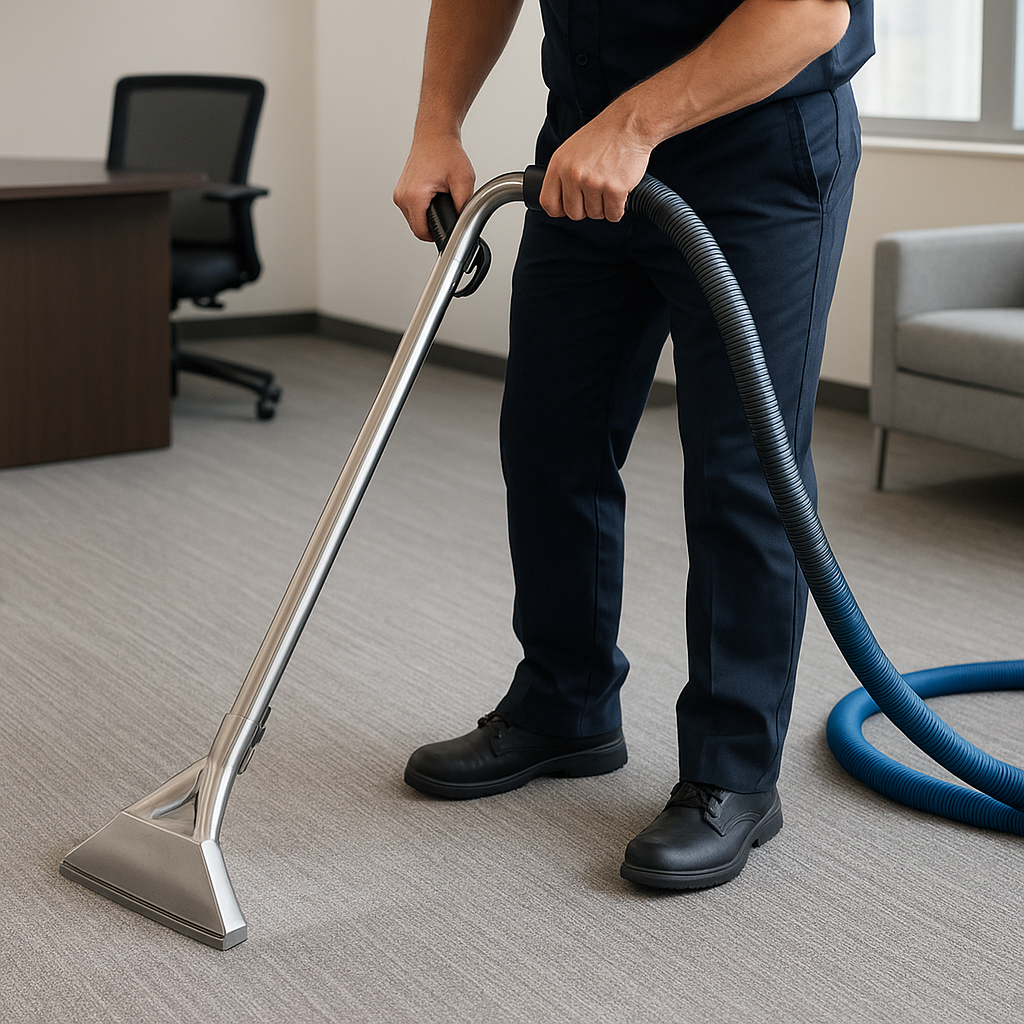
Hot water extraction sends water and cleaning solution into the carpet before vacuum equipment removes much of the moisture. It can suit some carpets and heavily soiled areas, but drying conditions matter. Older installations, vulnerable backings, and spaces with poor ventilation may need extra care.
Low-moisture methods use less water and may suit lightly soiled areas or spaces that must return to service quickly. Dry-cleaning approaches can also reduce drying demands. Still, the right choice depends on the product, equipment, carpet construction, and soil level. Less water does not automatically mean better cleaning.
There are also site risks. Hoses, equipment, and cleaning solutions can affect walls, baseboards, flooring transitions, furniture, and electrical equipment. Before work begins, confirm how the crew will protect those areas. Ask how recovered wastewater is handled, especially when the property lacks a convenient sanitary drain.
How Is Carpet Cleaning Oakland Different From Alternatives?
Professional carpet cleaning differs from routine vacuuming because it targets soil that has settled deeper into the carpet. It also differs from spot cleaning, which addresses a limited area rather than the condition of an entire room.
Rental machines may provide a lower-cost option, but users must select the correct solution, avoid overwetting, and extract enough moisture. Poor technique can leave residue or extend drying time. Professional work may offer better equipment and process control, although buyers should still verify the provider’s inspection and scope.
For a concrete local option, the carpet cleaning oakland page describes Zerorez services for carpet and other surfaces, including upholstery, rugs, tile, hardwood, air ducts, mattresses, pet stains, and commercial spaces. The supplied company information also describes Zr Water, soap-free cleaning, hot water extraction, and certified technicians. These are company-provided descriptions, so ask how the proposed process applies to the specific carpet at your property.
How Does a Professional Cleaning Visit Work?
A professional visit usually begins with inspection and preparation. It then moves through testing, spot treatment, primary cleaning, moisture removal, and a final review.
The technician should assess fibers, traffic patterns, stains, odors, existing damage, and access conditions. Preparation may include pre-vacuuming and moving approved furniture. Products should be tested before broader application, especially when the fiber or prior treatments are unknown.
After cleaning, the provider should explain the expected drying period and any ventilation recommendations. Businesses may need to restrict foot traffic, while homeowners may need to keep children and pets away until the carpet is dry. A final inspection can document remaining marks and areas that require additional work.
How Should Buyers Compare Providers?
Compare providers using matching written scopes rather than advertised prices alone. The strongest quote identifies the work, the method, the limitations, and the conditions that could change the price.
Use this checklist before scheduling:
- Confirm the carpet fiber, backing, and recommended method.
- List rooms, square footage, stairs, furniture, and problem areas.
- Ask about testing, chemicals, agitation, extraction, and drying.
- Clarify treatment limits for odors, pet stains, wear, and water damage.
- Confirm protection for walls, transitions, furniture, and occupied areas.
- Get pricing, exclusions, access requirements, and return terms in writing.
Photograph existing stains, odors, and damage before the appointment. Ask the provider to record those conditions. This simple step can prevent disagreements about pre-existing problems and realistic outcomes.
Key Takeaways
- Choose the method after evaluating the carpet, backing, soil, and drying conditions.
- Request a written scope that includes treatments, exclusions, fees, and drying expectations.
- Do not confuse surface cleaning with remediation for flooding, pad damage, or subfloor problems.
- Evaluate moisture control and property protection as carefully as the cleaning method.
- Compare realistic results and documented procedures, not just the lowest starting price.
Readers researching broader property-maintenance and business-service topics can find related coverage on Business Sharks Magazine.