


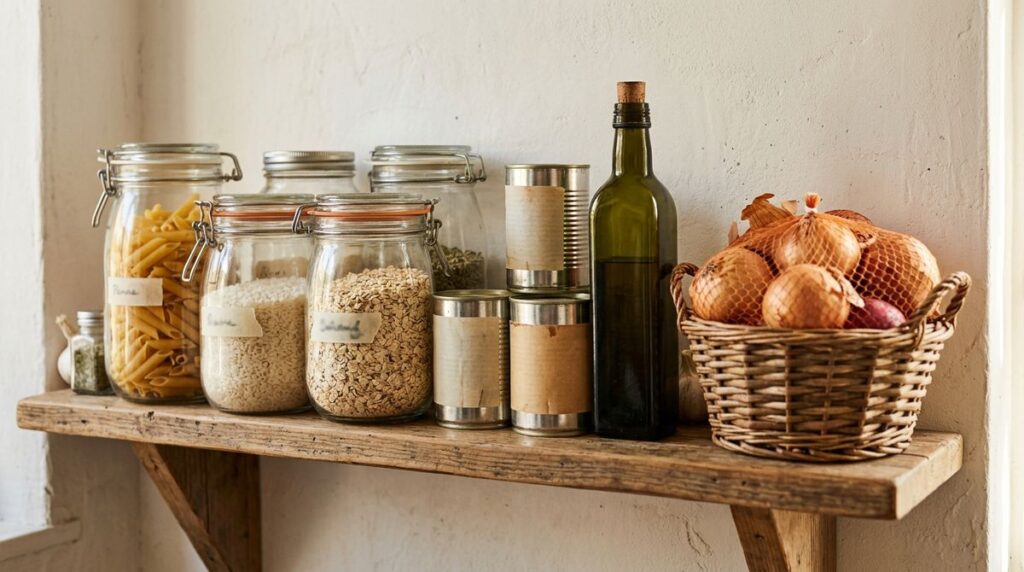
Starting a specialty food brand allows passionate entrepreneurs to turn culinary creativity into a tangible commercial enterprise. Many founders begin by preparing signature items in small home kitchens or shared community facilities, sharing recipes that friends and family adore. Yet transforming a beloved recipe into a viable commercial venture requires a clear shift from artisan cooking to systematic business execution.
Bridging this gap requires disciplined planning across recipe standardization, operational workflows, and distributor communication. Founders must navigate commercial production challenges while maintaining the unique taste, texture, and visual appeal that made their product stand out initially. By viewing each batch through both an artisan lens and an operational mindset, an entrepreneur can build a resilient brand capable of sustained regional growth.
Developing Recipes into Commercial Formulations
A common hurdle for emerging food entrepreneurs is translating a kitchen recipe into a standardized commercial formula. Home cooking relies on intuition, seasonal adjustments, and flexible measurements. Commercial production, however, demands absolute precision where every ingredient is measured by weight rather than volume. Small variations in moisture content, oven temperature, or ingredient handling can alter texture and shelf performance when production volumes multiply.
Standardizing your formulation also involves understanding how commercial equipment influences delicate flavors and textures. High-capacity mixers, continuous heat exchangers, and automated depositors handle ingredients differently than standard kitchen tools. Founders looking to refine kitchen processes and understand culinary professional standards can explore entre-chefs.com for broader insights into culinary workflows and food preparation. Learning how experienced culinary professionals structure operational routines helps new brand owners establish rigorous kitchen habits early.
Before committing to large production runs, run bench trials with your scaled ingredients. Test each trial batch under normal storage conditions to observe how acidity, fat separation, and aroma evolve over weeks. Documenting these physical changes helps you make necessary adjustments to your recipe without sacrificing the distinctive qualities of your product.
Securing Reliable Ingredients and Managing Suppliers
Sourcing ingredients for commercial production requires a completely different approach than buying retail supplies. A food business depends on predictable ingredient availability, stable delivery schedules, and uniform product specifications. A sudden change in cocoa butter quality, flour protein levels, or vinegar strength can create unexpected batch failures and disrupt order fulfillment.
Establishing strong relationships with commercial distributors and regional growers helps mitigate these disruptions. Early-stage producers often purchase smaller case quantities, which can leave them vulnerable to supplier stock shortages. When building a stable ingredient pipeline or sourcing quality provisions for varied menu items, studying commercial food purveyors such as farmhousefoodsco.com highlights how broad product distribution supports operational consistency. Knowing how larger food suppliers manage inventory and product diversity helps founders negotiate realistic delivery terms and reorder thresholds.
Always identify secondary suppliers for core ingredients. Relying entirely on a single farm or local mill introduces unnecessary operational vulnerability. Maintain active contact with backup vendors, review their product safety sheets, and verify that their ingredient specifications align closely with your primary source.
Managing Kitchen Capacity and Production Schedules
Managing kitchen space and labor requires strict operational oversight. Many food entrepreneurs start by renting shifts at shared commercial kitchens, which provides access to licensed facilities without the capital expense of buying heavy machinery. However, shared spaces impose strict limits on storage, prep time, and cleaning windows, requiring disciplined time management.
As orders increase, kitchen managers must organize preparation days around distinct tasks such as ingredient staging, batch cooking, packaging, and sanitation. Mixing distinct tasks during the same shift often leads to bottlenecks, elevated labor waste, and operator fatigue. Managing production schedules often mirrors client-facing service workflows, and founders can consult our guide on setting service intake priorities to manage operational bandwidth during seasonal order surges. Allocating production hours based on product turnaround requirements keeps teams focused on fulfillment rather than firefighting.
When internal production reaches maximum capacity, evaluate whether to lease dedicated production space or transition to a co-packer. Contract manufacturers offer established supply channels and specialized equipment, but they also require minimum order volumes. Careful assessment of production volume and inventory turnaround will indicate when this operational shift makes commercial sense.
Establishing Consistent Quality and Packaging Standards
Packaging does far more than display your brand name on a retail shelf; it serves as the primary barrier protecting food freshness, moisture balance, and safety. Selecting the correct materials requires balancing barrier properties against packaging aesthetics and ease of packing. Whether using vacuum pouches, glass jars, or oxygen-barrier films, every component must preserve the product throughout its intended shelf life.
To maintain high standards during daily operations, develop a concise quality control checklist for your kitchen staff. A structured inspection routine ensures that no batch leaves the facility without proper verification:
- Verify batch weights and ingredient lot numbers before beginning prep.
- Check target temperature and cooking times at mandatory processing milestones.
- Inspect seal integrity and label alignment on every finished container.
- Retain sample packages from each production run for shelf monitoring.
Labels must also adhere strictly to regulatory standards, including accurate ingredient declarations, allergen warnings, net weight disclosures, and facility information. Taking time to verify these legal details before printing custom packaging rolls prevents costly reprints and packaging waste.
Expanding Wholesale and Retail Distribution Channels
Securing retail distribution requires a methodical sales strategy. Many successful founders launch through neighborhood specialty shops, independent grocers, and farmers markets where direct customer feedback is immediate. These early retail partnerships allow you to observe buying habits, gather constructive criticism on product sizing, and refine your sales story.
When approaching independent grocery buyers, prepare professional sell sheets that explain retail margin, case pack sizes, delivery frequency, and merchandising recommendations. Store buyers appreciate clear product positioning and demonstrated consumer demand. Offering scheduled sample sessions or initial promotional support helps introduce unfamiliar products to shoppers and builds initial shelf movement.
Maintain regular communication with retail partners once your inventory is on the shelf. Monitor how quickly stock moves, verify that store clerks understand product placement, and restock promptly before shelves go bare. Reliable customer service and consistent fulfillment often separate successful boutique brands from products that are quickly dropped after an initial trial.
Building Long-Term Operational Resilience
Scaling a food enterprise is ultimately a balancing act between artisan passion and operational discipline. Product enthusiasm gets a business started, but structured routines, clear documentation, and steady vendor partnerships sustain it through market fluctuations.
By focusing on consistent ingredient sourcing, structured kitchen workflows, and thoughtful retail relationships, food founders can build lasting operations. Treat operational improvements as ongoing responsibilities rather than one-time tasks, and your specialty brand will be well equipped to expand steadily while delivering the exceptional quality your customers expect.