


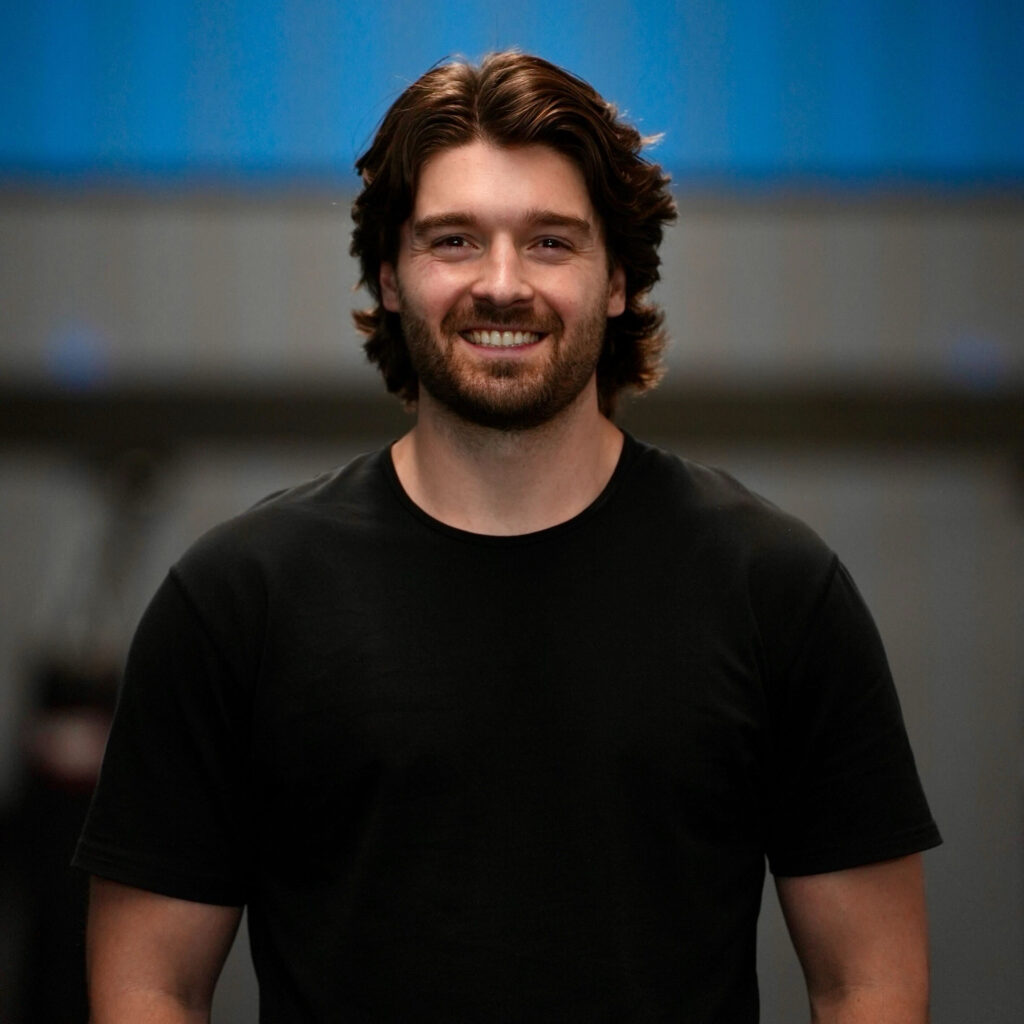
The Denver entrepreneur set the target at 22, with cheap rent and no safety net. At 27, after selling Pneuma, he called it the best and worst goal he had ever set.
When David Riggs left a consulting job that paid well in 2020, he had no plan, no money, and no interest in chasing another paycheck. That same year, at 22, he set a target he later called the most reckless and clarifying goal of his life, and the best and worst he had ever set: retire by 30.
The Denver entrepreneur wrote about that contradiction in August 2025, in his newsletter, Working Theories, and shared the piece on LinkedIn, a few months after selling Pneuma, the first company he started. He was 27. He had, by his own account, more or less done the thing he had thought was impossible. It did not feel like a win.
"What I've found instead is something I didn't expect – now that I've hit the goal, it feels empty," he wrote.
A goal he had no right to set
Riggs is frank about how poorly the target fit his circumstances. After college, he did not feel built for conventional work, not because he thought he was above it, but because he wanted to do the job his own way. In 2018, while interning at a Fortune 500 company, someone told him he would "struggle to be employed long term," and he was the only intern not invited back. In 2019, he accepted a full-time offer and was let go before he started, after the company downsized. In 2020, he took a job in management consulting, committed to two years, and left within nine months.
He was living in Chicago with two former coworkers from the job he had just quit. His rent was $650. His monthly budget maybe touched $1,300 if he stretched every dollar. His bedroom was 180 square feet, including the bed, the desk, and a clothes rack. There was no closet.
"I really had no right setting a goal like that," he wrote. "No savings. No fallback. No safety net. But I had a vision."
To him, retire by 30 did not mean mansions or media coverage. "It meant freedom. At 30, I wouldn't have to worry about money. I could do what I wanted, when I wanted, with my time."
The goal was, in his words, completely misaligned with the world around him. No one in his family had built a business. None of his friends had either. "It was like saying I'd be a race car driver before getting a license," he wrote. That mismatch, he argued, is what made it the right goal at the time. It forced him to think bigger, and to take each day, each dollar, and each risk seriously.
Five years later, he had built and sold one business for a large amount, and another for a much smaller amount.
The summit wasn't the point
What surprised him was the emptiness that followed the milestone. "I'm proud of what I built. But I'm also asking, what now?"
"Climbing the mountain was exhilarating," he wrote. "But now that I'm here, I'm realizing the summit isn't the point. The best part was the climb."
"Retire by 30" had been the right stretch at the time. In hindsight, he wished he had aimed for something more expansive, or more impactful. "What if the goal had been: build a business, exit, and make every employee a millionaire?" That, he wrote, gets him fired up. It is intimidating, but possible, and far more meaningful. "Openly, at the time I wasn't thinking of anyone but myself."
That, he wrote, was his biggest miss. "Don't pick a goal where only you win." Retiring early, as he came to see it, is a solitary victory. It does not create leverage or impact for anyone else. Looking back, he had more fun when he was giving, whether that meant helping a teammate, donating to a cause, or picking up dinner for someone in the trenches. "And ironically, that giving took me further away from the goal I set."
The path changed anyway
The path was never going to stay fixed. Two years before he wrote the piece, David Riggs thought he would run Pneuma forever. A year before, he thought he would become a small business investor. "Now? I'm not sure," he wrote. "And I'm learning to be okay with that. Seasons shift. Clarity fades. That doesn't mean you're lost."
Faith, which he had not written about often in the newsletter, belonged in the same accounting. When he set the first big goal, it was centered on him. The parts of the journey that meant the most, he wrote, were tied to generosity, including supporting his church, backing teams he grew up playing on, and helping employees when they needed it. He also came to value the skills more than the milestone. The number, he wrote, does not matter much. Profit comes and goes. The skill of building and growing something does not.
He did not claim to have a perfect answer for what came next. "Right now, I'm listening. Reflecting. Letting things sit before I rush into the next build," he wrote. "What I do know is that the next goal will be less about escape – and more about service."
That is the unusual part of the story David Riggs tells about retiring early. The goal worked. It got him out of a life he did not fit, and it pushed him to take building a company seriously enough to sell Pneuma before 30. The critique is not that he missed the target. It is that he hit it, felt the emptiness of a solitary win, and started asking for a goal that other people could win too.
He still lives and works in Denver, where the blend of consulting and capital that followed the sale became Karteria. The through line is not the fantasy of clocking out. It is the question he was left with once the clock, more or less, stopped: if the summit is not the point, what is the climb supposed to be for?