


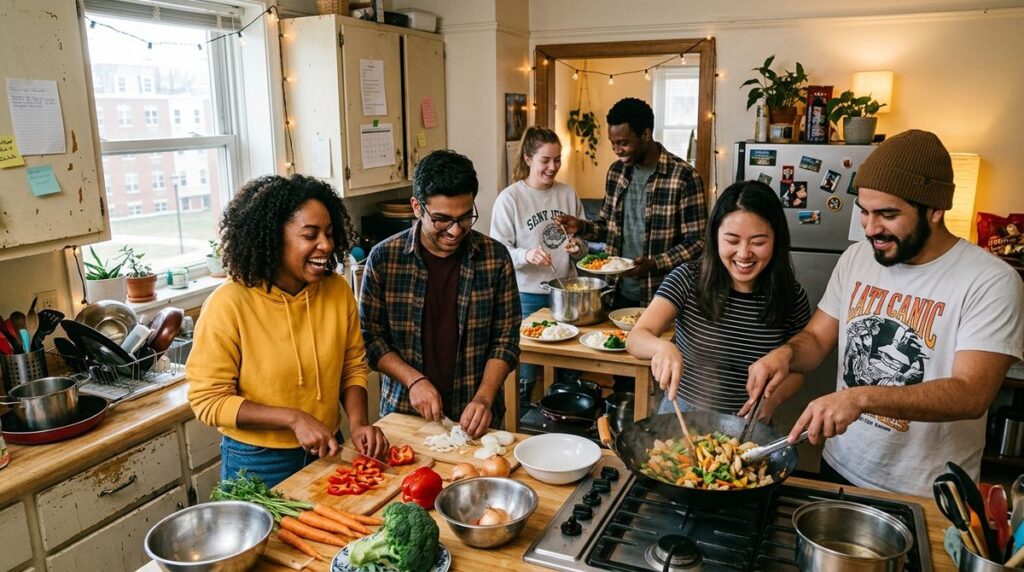
Weekday evenings with young children move quickly. Homework needs checking, bath time runs late, and the question of what to eat arrives just when everyone is hungriest and least patient. Batch cooking on a quieter day can take much of that pressure away. The idea is simple: cook a larger amount of a few reliable dishes once, portion them, and store them so that weeknight dinners need only reheating and a fresh side. This article explains a practical way to plan and prepare a Sunday batch session without turning the weekend into a full-time kitchen job. It is general guidance, so adjust portions and ingredients to suit your family and any dietary needs you have been given by a health professional.
Why a Single Session Saves Energy
Cooking every evening means starting from zero each time: finding ingredients, washing pans, and cleaning up while children need attention. A single batch session concentrates that effort into one block of time. Many families find that the kitchen work feels calmer when there is no clock running, and the reward is a set of ready meals that reduces the number of decisions made on tired weeknights. The approach also tends to cut the impulse to order takeaway, because the default option is already sitting in the fridge.
Choose Dishes That Travel Well
Not every recipe improves after reheating, so choose dishes that hold their texture and flavour. Soups, stews, curries, bean chilli, baked pasta dishes, and tray-cooked chicken with vegetables usually work well. Dishes with delicate sauces or crisp coatings often suffer, so keep those for nights when you cook fresh. Pick two or three meals for the week, and make sure at least one can be eaten cold or easily packed for lunch. Variety matters, but a short list of dependable favourites keeps shopping simple and makes the batch easier to repeat. Readers may also want to visit blogcabinca. Frozen vegetables and tins of beans are sensible additions, because they keep well and need little preparation on the day.
Plan the Shopping and the Order of Work
Before you start, write a list grouped by section of the supermarket and check what is already in the cupboard. Plan the order of work so that longer cooking tasks run in parallel. Start the stew, then chop vegetables for the soup while it simmers. Use the oven for roasting in one batch and keep the hob free for a pot that needs attention. A quick timeline on paper helps, especially when two adults share the task. You can also visit bullhornnews.com for more reading.
Use this simple sequence for your session:
1. Pick two or three dishes that fit the coming school week.
2. Write one shopping list grouped by section of the store.
3. Prepare all chopping and measuring before turning on any heat.
4. Cook the longest dish first, then fill the time with quicker tasks.
5. Cool everything quickly, portion it, label it, and store it safely.
Cool, Portion, and Store Safely
Food safety matters when you cook in advance. Cool cooked dishes promptly, ideally by spreading them in shallow containers rather than leaving a large pot to cool slowly on the counter. Once cool, divide portions into containers sized for one meal, so you only reheat what you need. Store chilled meals in the fridge for the coming few days and move the rest to the freezer. Reheat portions thoroughly until steaming hot throughout, and never refreeze food that has been fully thawed unless the guidance you follow says it is safe. For a related read on this site, see A Simple Lighter Menu Plan for the New.
Make Weeknights Easier to Manage
The true benefit of batch cooking appears on the busiest nights. Take a container from the fridge, reheat it, and add a simple side such as steamed greens, a bowl of fruit, or a quick salad made from bagged leaves. Children often eat better when the meal is familiar and the atmosphere is relaxed, so involve them in choosing the side dish. Keep a small list on the fridge of what is available, so that anyone at home can see what is ready. This small habit prevents duplicate cooking and reduces the feeling that dinner depends on one person.
Batch cooking is not a rule to be followed perfectly. Some weeks will bring unexpected illness, a late meeting, or a birthday invitation that changes the plan. Keep one or two backup options in the freezer and allow yourself to skip a session without guilt. Over time, the routine becomes a flexible habit that supports family life rather than a demanding project. Start small, with one dish and one container, and build from there as the household finds a rhythm that works for everyone.